

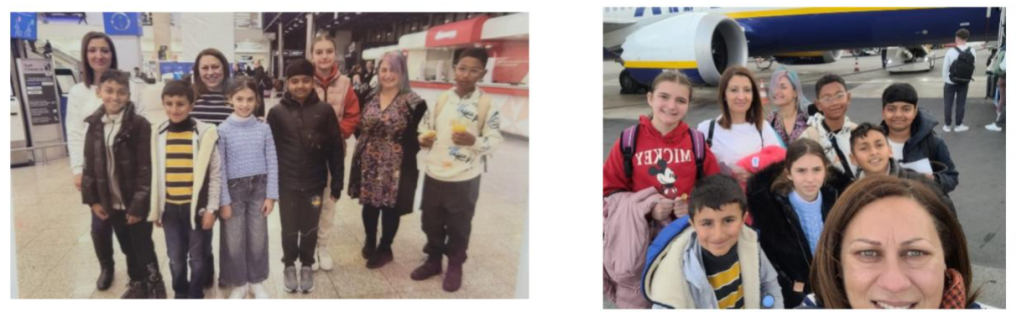
A group of six 12-year-old students from St. Nicholas College Rabat Middle School, accompanied by their class teacher, recently took part in the Erasmus+ Student Mobility and Job Shadowing programme with a visit to C.E.I.P.S.O. Federico García Lorca, located in the small town of Camarma de Esteruelas, near Madrid, Spain. The visit took place from 12th to 16th May 2025 and included Spanish FL Teacher Ms. Jessica Muscat, LSE Ms. Melanie Debrincat, and Spanish FL Teacher and First Aider Ms. Guadalupe Melo. They were joined by six Year 8 students: Liam Muscat, Myles Cauchi, Connor Zarb, Ben Mifsud Bonnici, Oliwia Czyz, and Dorian Vassallo Manicolo. All Spanish FL students were invited to apply, and following an inclusive and transparent selection process, participants were chosen by lot.
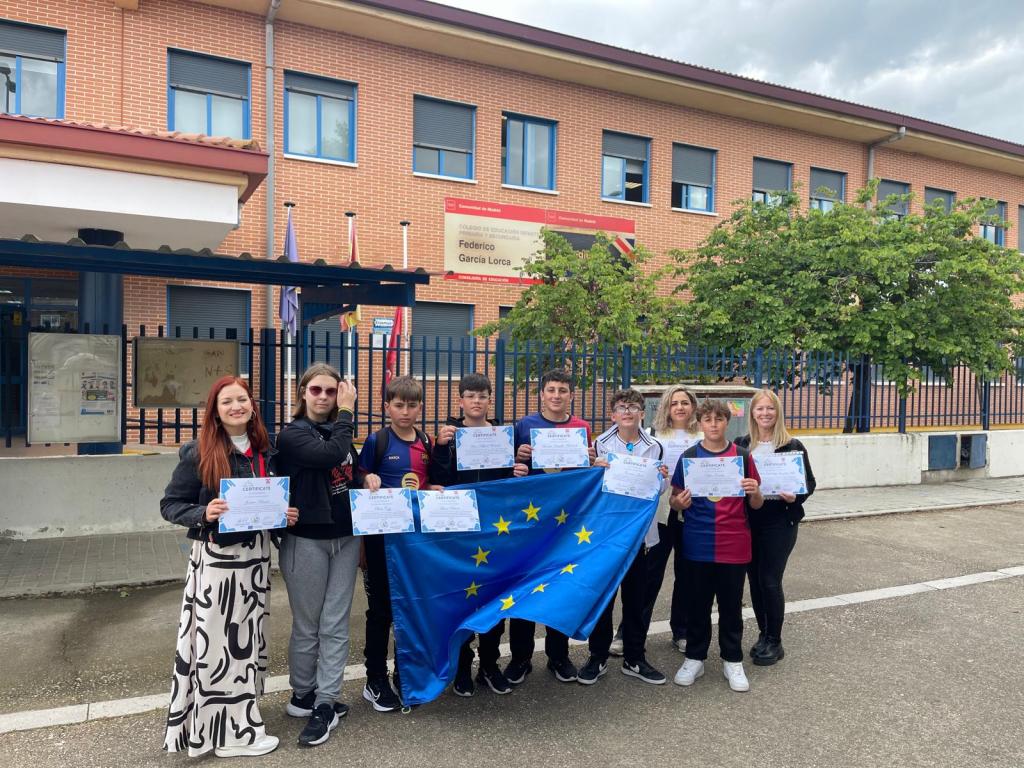
Our host school, CEIPSO Federico García Lorca, is a unified Infant–Primary–Secondary educational centre. This visit marked a continuation of a growing partnership: St. Nicholas Primary School in Attard had visited the same school in March, and in April, a delegation of teachers and students from Camarma visited Malta.
The school serves students from early childhood (ages 0–6), through Primary (ages 6–12), and into Compulsory Secondary Education (ESO), which spans four years (ages 12–16). The campus includes two main buildings separating the Infant and Primary sections from the Secondary wing, as well as a school canteen offering freshly prepared meals daily.

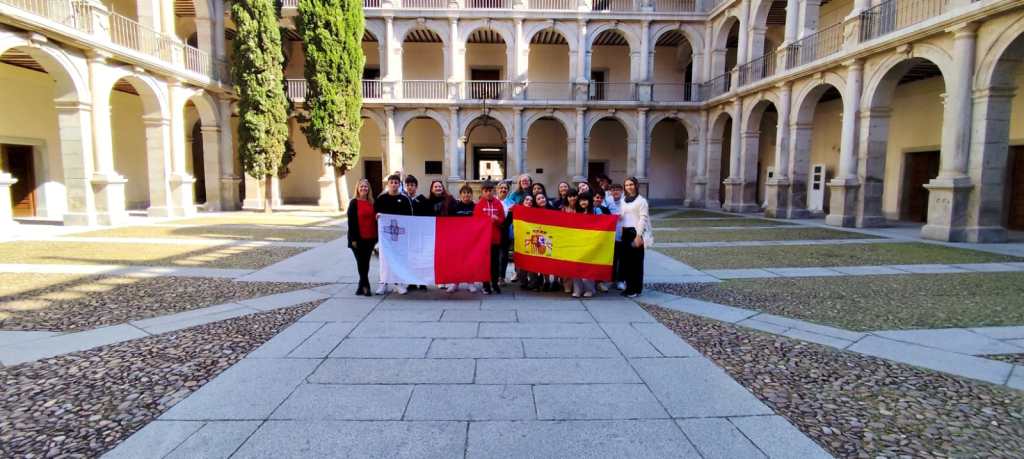
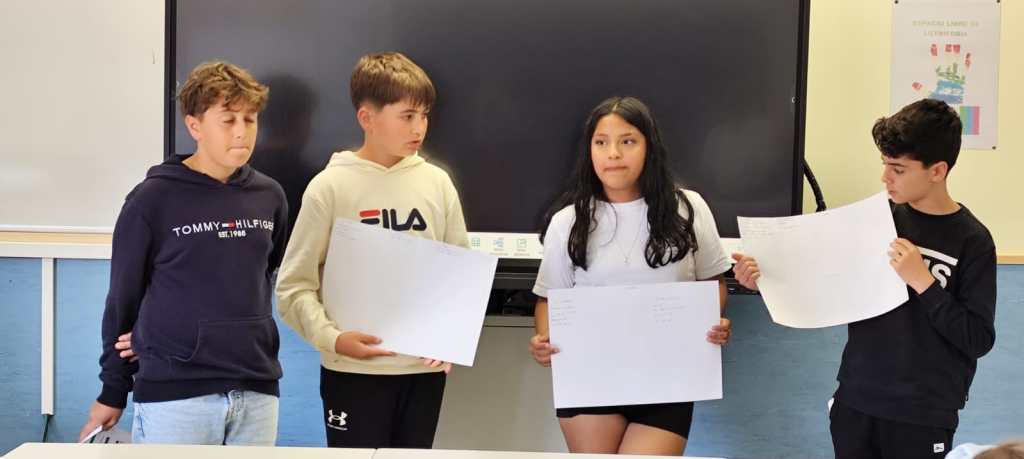
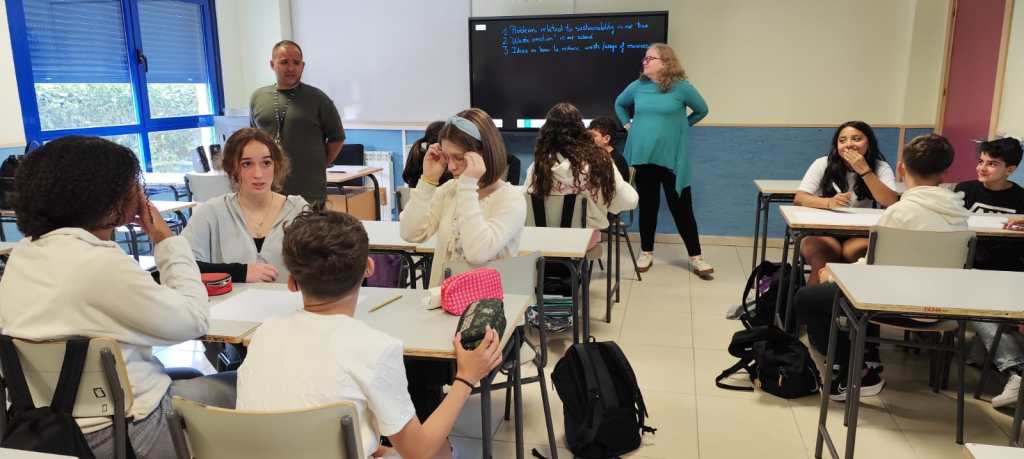
During our stay, our students were welcomed into Middle School classrooms and participated in joint activities with their Spanish peers—an enriching experience that fostered cultural exchange, collaboration, and mutual learning.
As part of the Erasmus+ programme, we engaged in a wide range of activities, including classroom observations, a sustainability workshop, an alternative sports day, and sessions with the school’s radio club. These experiences promoted teamwork, well-being, and inclusion in a dynamic and engaging environment.
This was a fully immersive experience, combining school life, cultural visits, and homestay accommodation. It was a truly positive and collaborative exchange that we highly recommend to other schools considering similar opportunities.
This journey not only helped us improve our language and communication skills, but also inspired us with new ideas to make our teaching in Malta more inclusive, sustainable, and engaging. We hope that some of these ideas will soon become a reality in our school community.
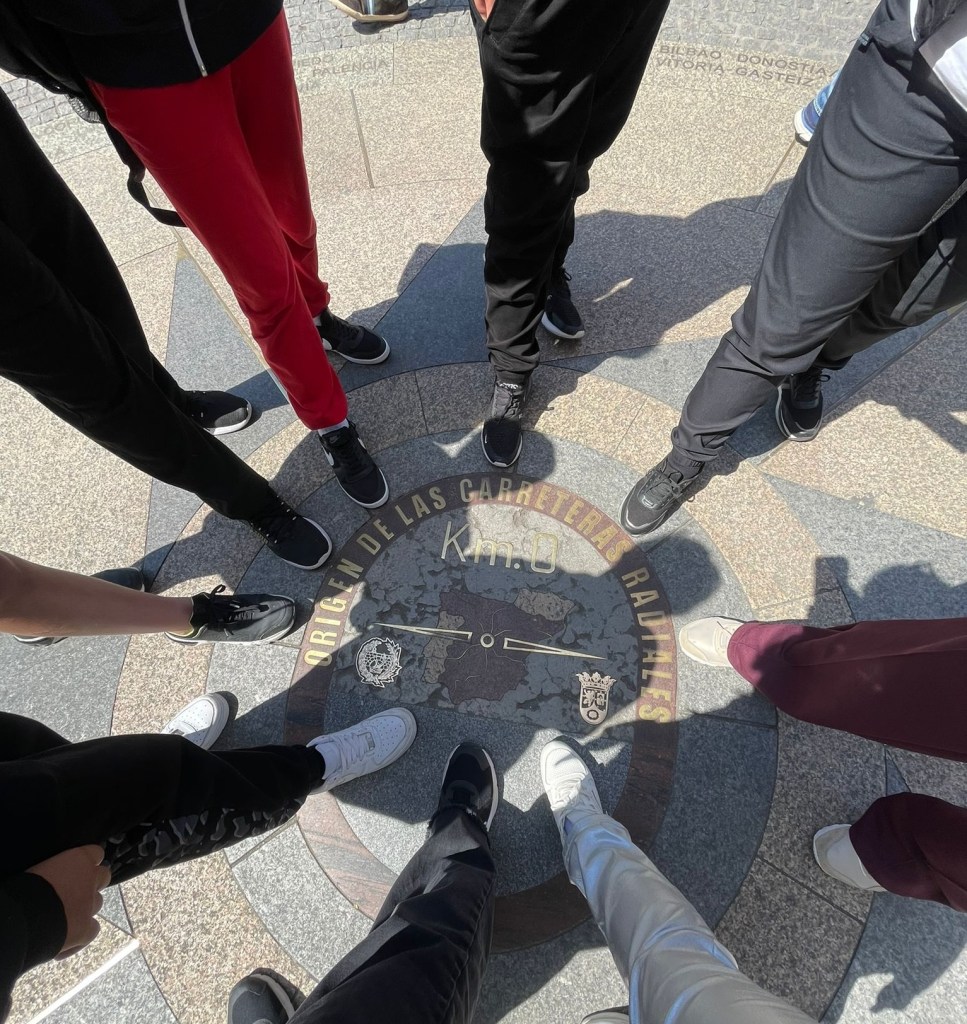
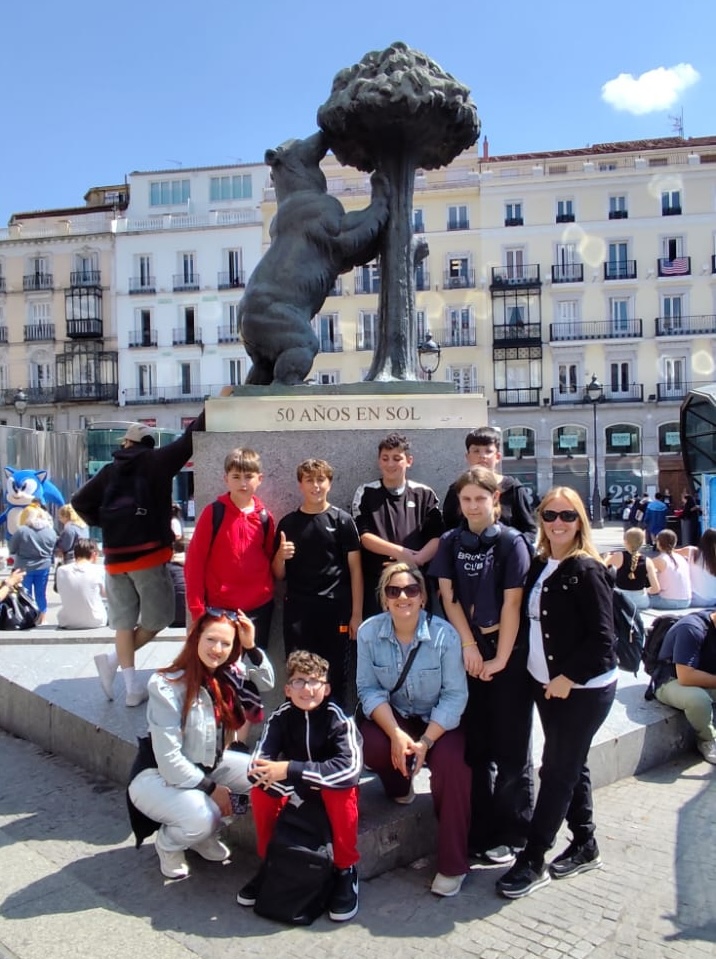
Finally, this experience broadened our understanding of the European dimension of Erasmus+ programmes. We witnessed how international cooperation and innovation can bring recognition and prestige to our school, while connecting us to a wider educational network in Europe.

This mobility was made possible thanks so St Nicholas College Accredition Grant, co-funded by the European Union.
 St.Nicholas College Malta