

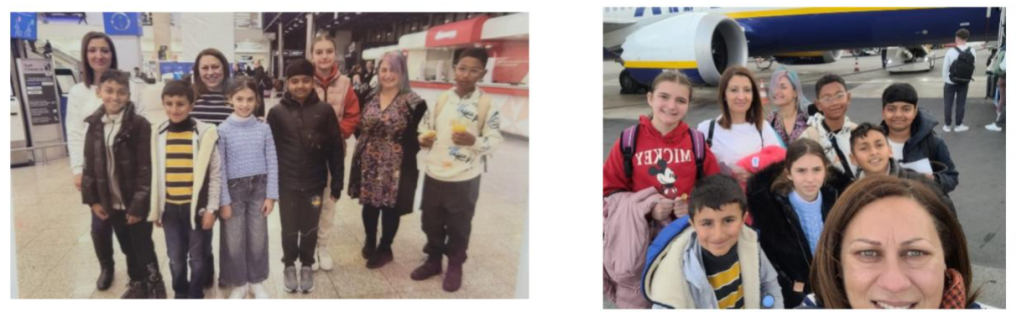
A delegation from Tumas Dingli Primary School, Attard, recently participated in the Erasmus+ Pupil Mobility programme with a visit to CP INF-PRI-SEC Federico García Lorca in Camarma de Esteruelas, a charming town near Madrid, Spain. The team travelled from the 23rd to 27th March 2025 and was composed of Deputy Head Ms. Miriam Mercieca, Year 6 educator Ms. Alison Bugeja Simiana, and LSE and First Aider Ms. Fiona Muscat. Accompanying the staff were six Year 6 pupils: Neil Sesay, Oliver Kerai, Luke Mercieca, Decious Rithvik Reddy Kaipu, Malena Dina Doram, and Emma Portelli Plum. These pupils were selected through a fair and inclusive process—after submitting their applications, names were drawn by lot. The group represented all three Year 6 classes, comprised of mixed ability learners, including one student who is supported by an LSE, reflecting our school’s strong commitment to inclusion and equal opportunity.
The Spanish host school, CEIPSO Federico García Lorca, is a unified Infant-Primary-Secondary centre serving the village of Camarma de Esteruelas. Its Infant department comprises two cycles (0–3 years and 3–6 years) with a total of 12 class-units in the second cycle alone, followed by six years of Primary education and four years of compulsory Secondary (ESO) on an adjoining site just across a pedestrian street—allowing staff and pupils to move easily between the two wings of the school.
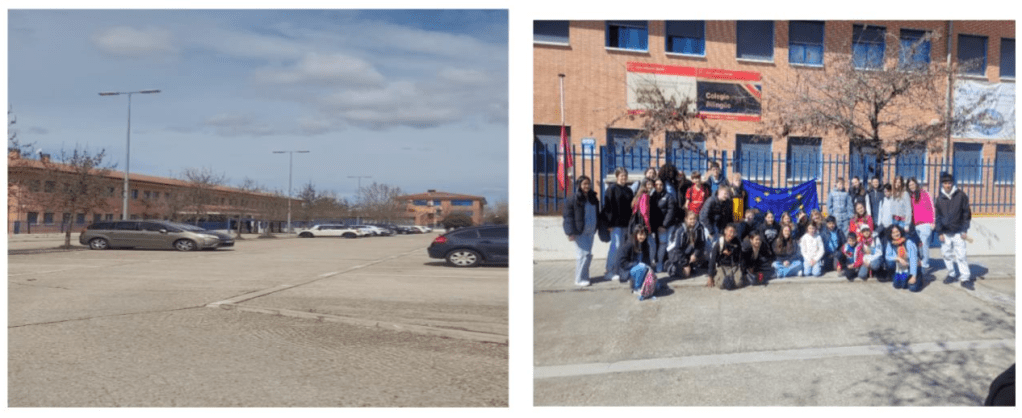
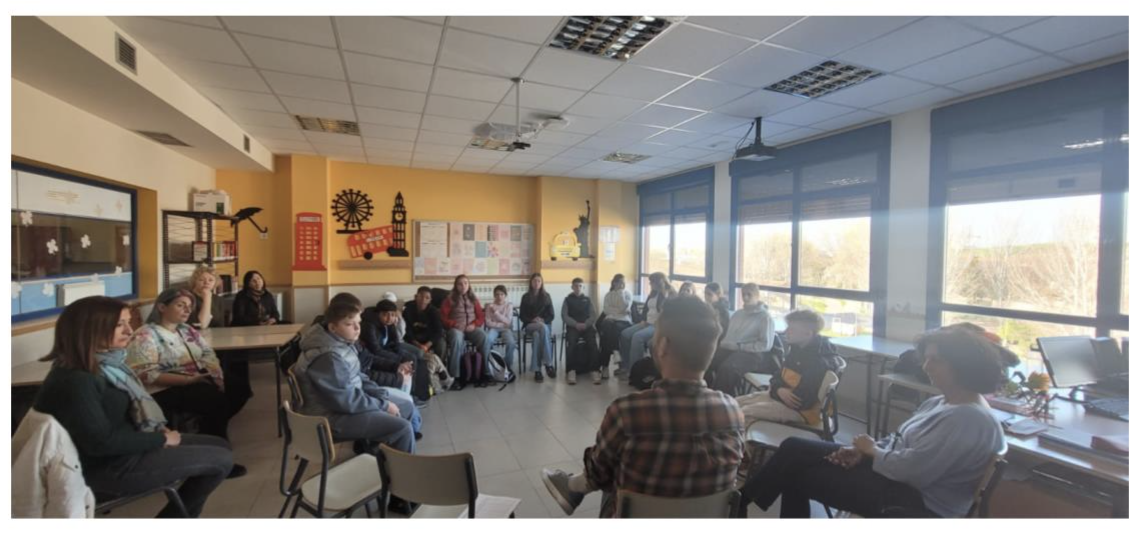
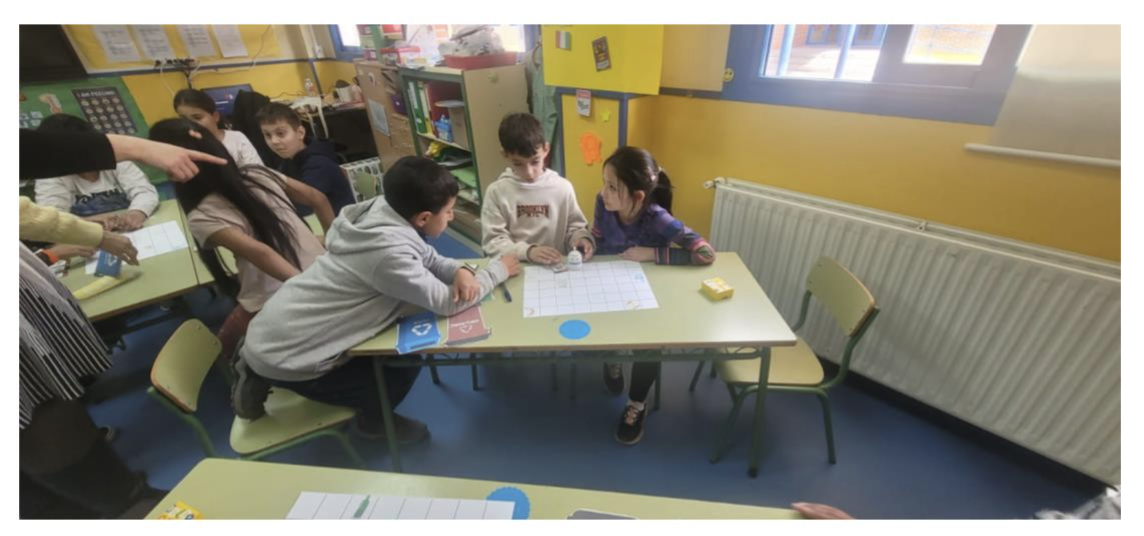
From the moment we arrived, the entire school community made us feel at home: During our welcome reception, the headteacher, the leadership team, the Erasmus coordinators, and even the mayor of Camarma de Esteruelas formally greeted us, setting a warm and celebratory tone. Students from all countries presented themselves and their country to the rest of the team. Spanish students then escorted us on a guided tour of both the Infant-Primary wing (with its twelve Cycle 2 class-units) and the adjoining Secondary building just across the pedestrian street. Over the next few days, we participated in a rich programme of workshops and activities: ICT and Robotics sessions; a “Speed Chatting” oral-language workshop; hands-on CLIL lessons in 4th-grade Natural Sciences; a module on Teaching and Learning English as a Foreign Language; and a collaborative “Working on Inclusion and Positive School Atmosphere” meeting that deepened our understanding of their take on inclusive education. When our hosts spoke about inclusion, it meant including different cultures and people from different socio-economic backgrounds. In our case, inclusion means fostering an adequate learning environment for children with special needs to learn alongside their neurotypical peers.
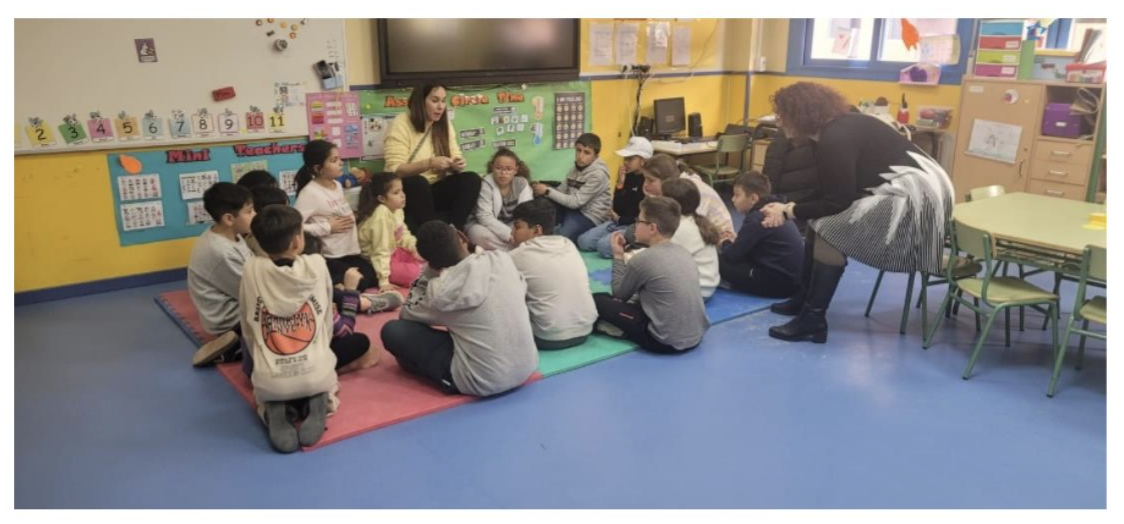
In the evenings, the Erasmus team and selected pupils took us on cultural excursions—a guided walking tour of central Madrid, a historical visit to Alcalá de Henares, and an afternoon at Parque Europa in Torrejón de Ardoz—allowing our group to bond across nationalities and experience Spanish culture first-hand. We were also delighted to meet fellow Erasmus+ delegations from Germany and Lithuania—though their pupils were older, linguistic creativity and mutual curiosity meant that everyone, regardless of age or background, communicated seamlessly and collaborated with genuine enthusiasm.
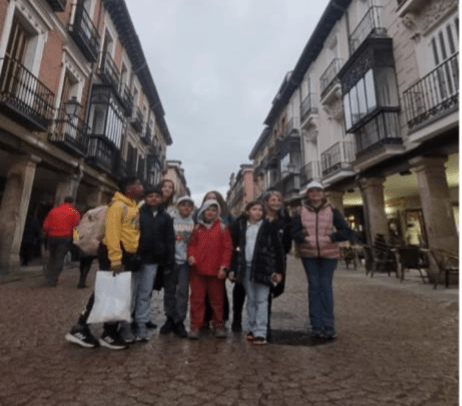
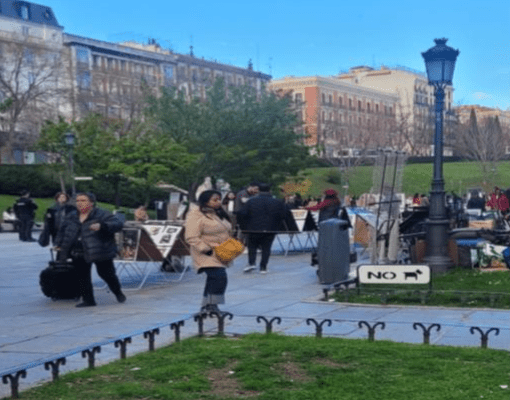
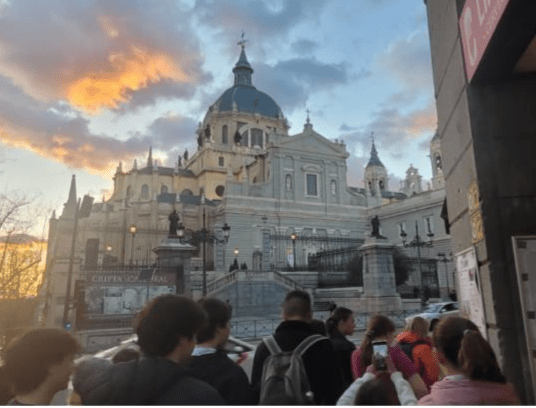
Overall, the Maltese Year 6 pupils came home buzzing with excitement. They spoke non-stop about the new digital tools they had mastered—like programming robots, using Moodle, and creating multimedia resources—and how proud they were to present in English to an international audience. Just as important were the friendships they formed: swapping stories with Spanish, German, and Lithuanian peers during workshops, gymkhanas, and museum visits gave them a broader sense of European community. They felt more confident, independent, and curious about other cultures. Teachers noticed improvements in their collaboration skills and willingness to try new learning methods. In short, the trip left a lasting impression, inspiring our pupils both academically and personally.
This mobility was made possible thanks to St Nicholas College Accreditation funds, co-funded by the European Union.


