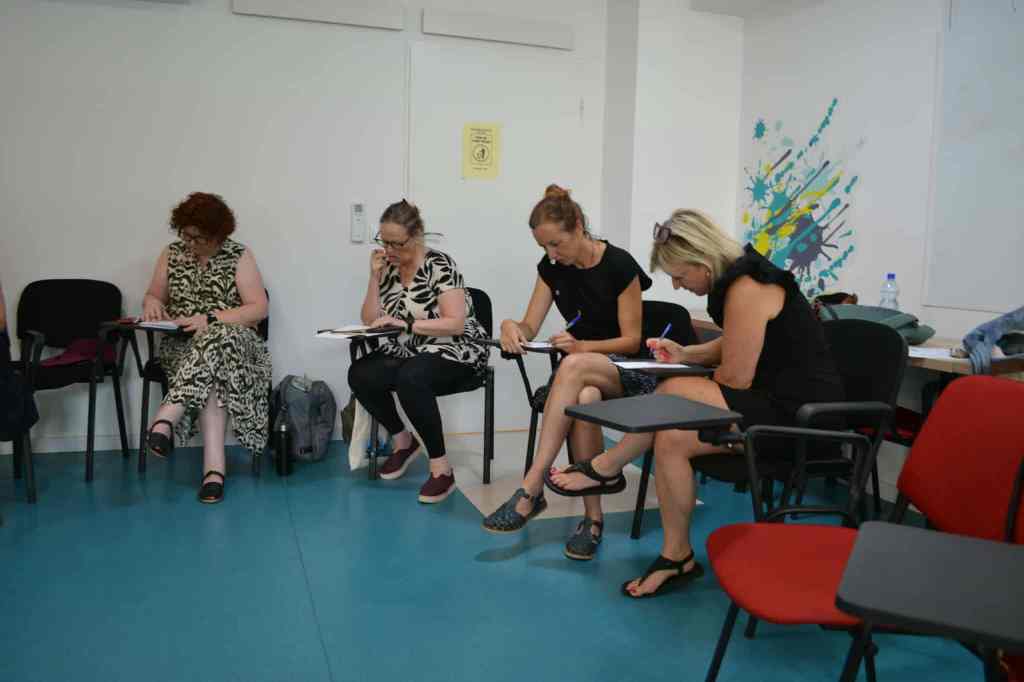
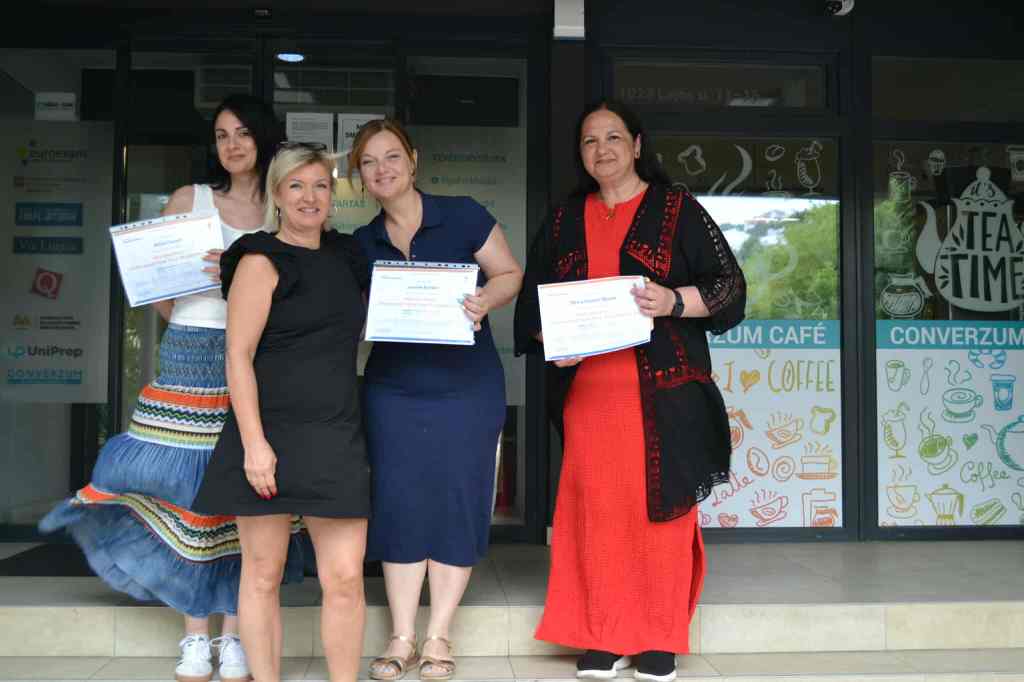
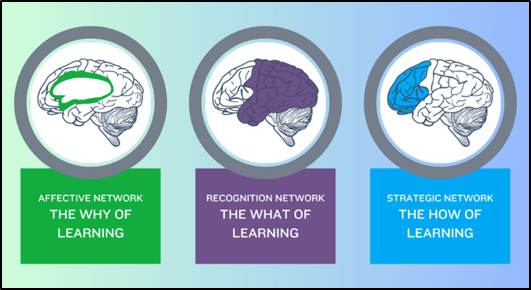
Three educators from Rabat Middle School – Ms Olivia Cauchi Stivala, Ms Alicia Cauchi, and Ms Joanne Bondin – attended a 30-hour course in Budapest titled Neuroscience: Understanding How Your Students Learn. During this interactive course the participants deepened their understanding of the learning process, besides discovering how to integrate realistic neuroeducation strategies into their classroom and with their students. These strategies assure long-lasting retention of knowledge and the students are therefore more able to reach their full potential.
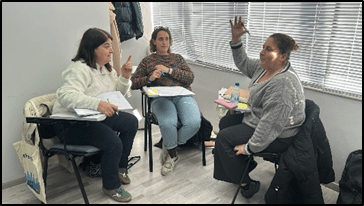
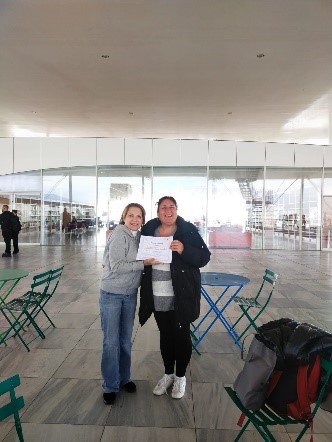
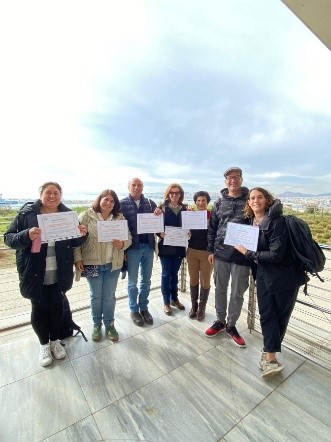
During the last day of the course the participants had the opportunity to implement some of the strategies learnt by designing and delivering a lesson incorporating memory techniques involving visualisation, elaboration and retrieval practices. At the end of the course the participants were presented with a certificate. It was a truly enriching experience for all, and they look forward to share the outcomes with their peers and educators from the College in the upcoming scholastic year.
This mobility was made possible thanks so St Nicholas College Accredition Grant, co-funded by the European Union.
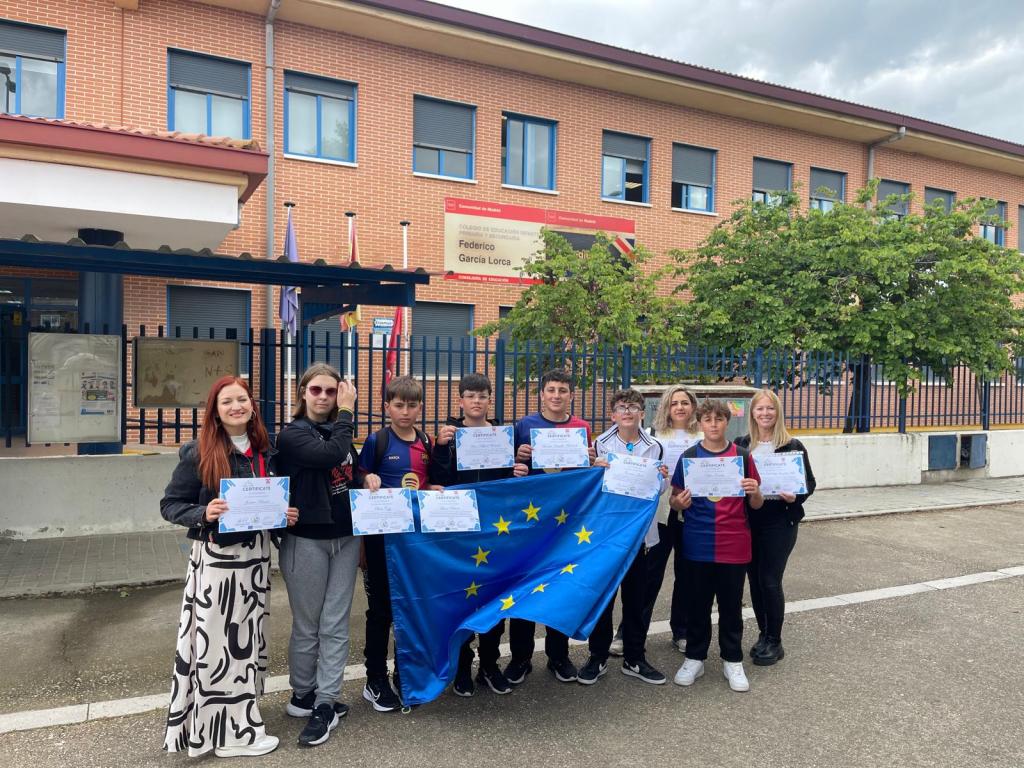
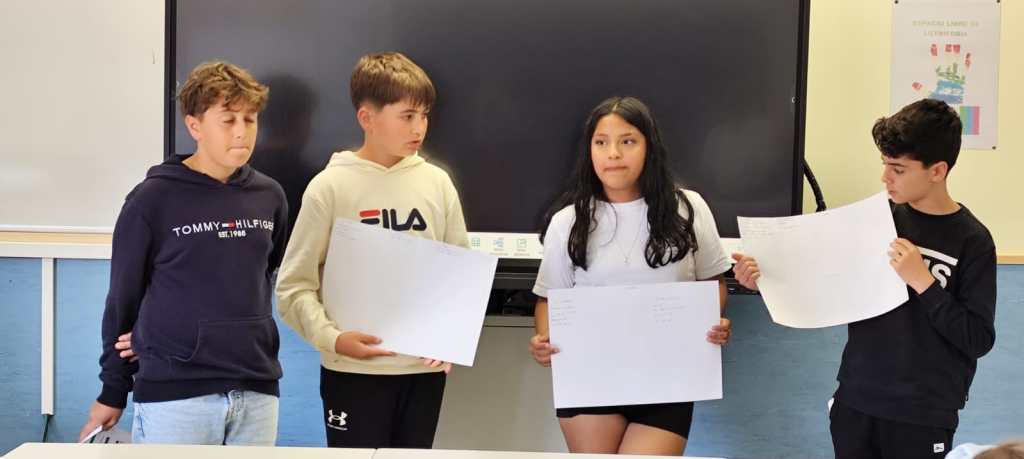
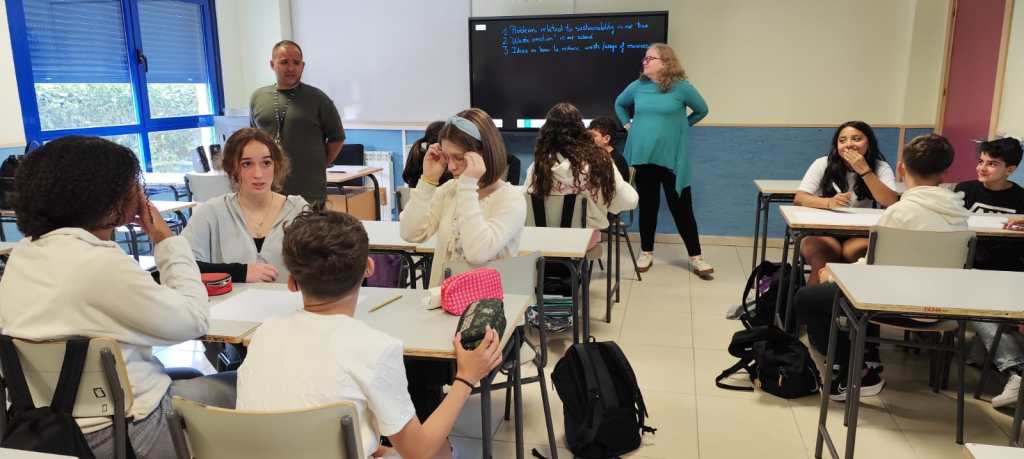
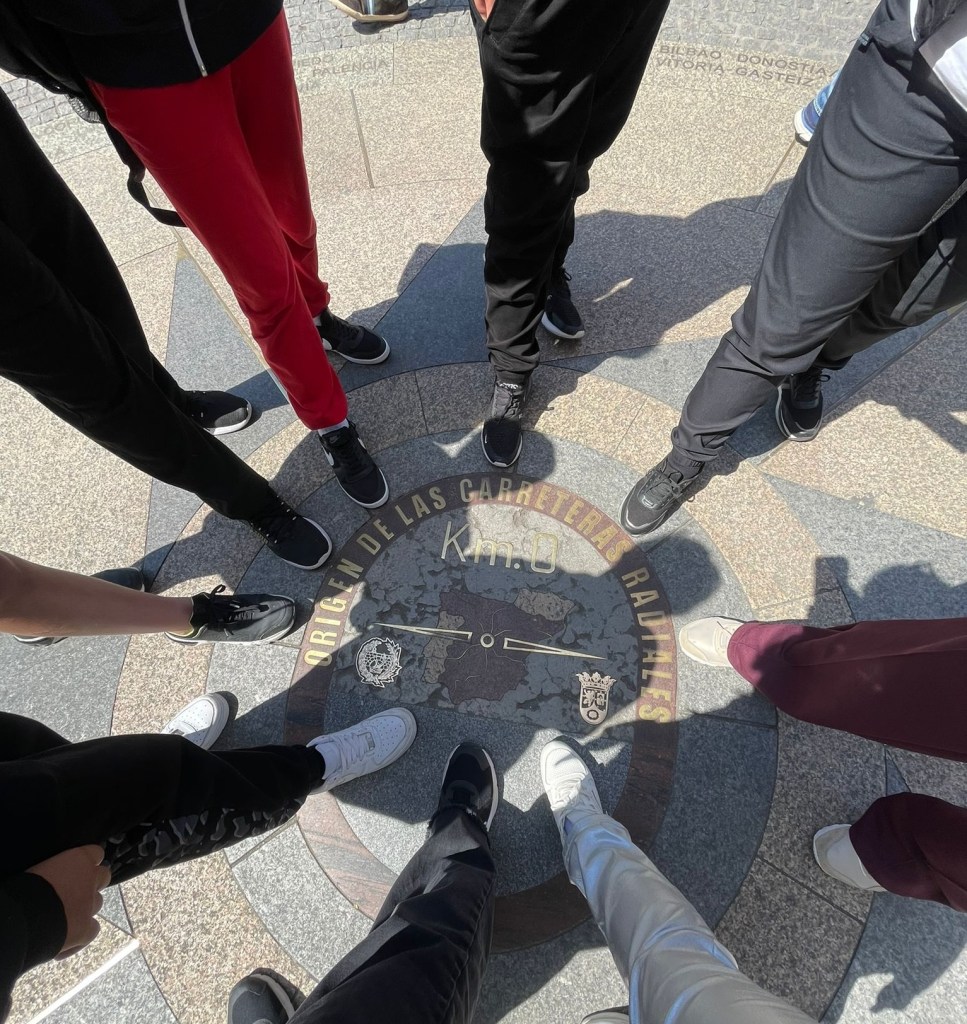
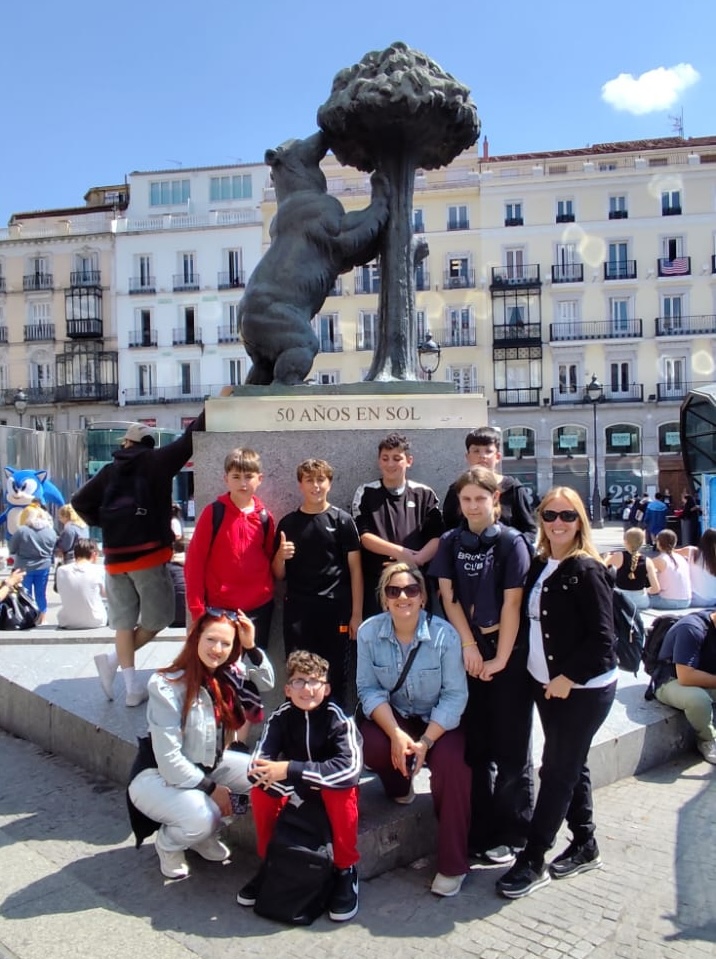
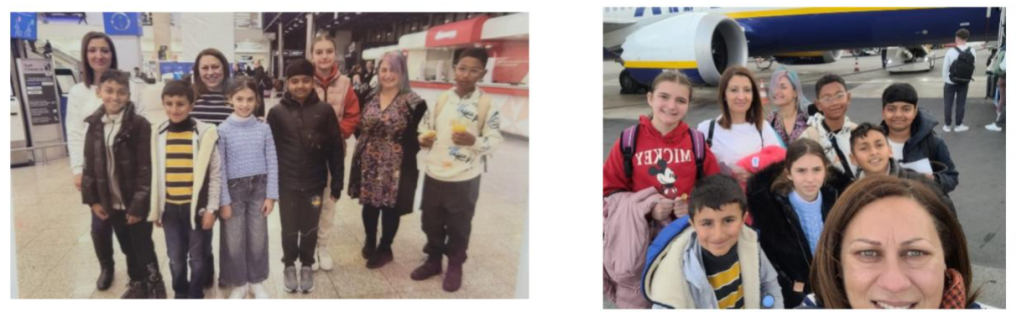
A group of six 12-year-old students from St. Nicholas College Rabat Middle School, accompanied by their class teacher, recently took part in the Erasmus+ Student Mobility and Job Shadowing programme with a visit to C.E.I.P.S.O. Federico García Lorca, located in the small town of Camarma de Esteruelas, near Madrid, Spain. The visit took place from 12th to 16th May 2025 and included Spanish FL Teacher Ms. Jessica Muscat, LSE Ms. Melanie Debrincat, and Spanish FL Teacher and First Aider Ms. Guadalupe Melo. They were joined by six Year 8 students: Liam Muscat, Myles Cauchi, Connor Zarb, Ben Mifsud Bonnici, Oliwia Czyz, and Dorian Vassallo Manicolo. All Spanish FL students were invited to apply, and following an inclusive and transparent selection process, participants were chosen by lot.
Our host school, CEIPSO Federico García Lorca, is a unified Infant–Primary–Secondary educational centre. This visit marked a continuation of a growing partnership: St. Nicholas Primary School in Attard had visited the same school in March, and in April, a delegation of teachers and students from Camarma visited Malta.
The school serves students from early childhood (ages 0–6), through Primary (ages 6–12), and into Compulsory Secondary Education (ESO), which spans four years (ages 12–16). The campus includes two main buildings separating the Infant and Primary sections from the Secondary wing, as well as a school canteen offering freshly prepared meals daily.
During our stay, our students were welcomed into Middle School classrooms and participated in joint activities with their Spanish peers—an enriching experience that fostered cultural exchange, collaboration, and mutual learning.
As part of the Erasmus+ programme, we engaged in a wide range of activities, including classroom observations, a sustainability workshop, an alternative sports day, and sessions with the school’s radio club. These experiences promoted teamwork, well-being, and inclusion in a dynamic and engaging environment.
This was a fully immersive experience, combining school life, cultural visits, and homestay accommodation. It was a truly positive and collaborative exchange that we highly recommend to other schools considering similar opportunities.
This journey not only helped us improve our language and communication skills, but also inspired us with new ideas to make our teaching in Malta more inclusive, sustainable, and engaging. We hope that some of these ideas will soon become a reality in our school community.
Finally, this experience broadened our understanding of the European dimension of Erasmus+ programmes. We witnessed how international cooperation and innovation can bring recognition and prestige to our school, while connecting us to a wider educational network in Europe.
This mobility was made possible thanks so St Nicholas College Accredition Grant, co-funded by the European Union.
A delegation from Tumas Dingli Primary School, Attard, recently participated in the Erasmus+ Pupil Mobility programme with a visit to CP INF-PRI-SEC Federico García Lorca in Camarma de Esteruelas, a charming town near Madrid, Spain. The team travelled from the 23rd to 27th March 2025 and was composed of Deputy Head Ms. Miriam Mercieca, Year 6 educator Ms. Alison Bugeja Simiana, and LSE and First Aider Ms. Fiona Muscat. Accompanying the staff were six Year 6 pupils: Neil Sesay, Oliver Kerai, Luke Mercieca, Decious Rithvik Reddy Kaipu, Malena Dina Doram, and Emma Portelli Plum. These pupils were selected through a fair and inclusive process—after submitting their applications, names were drawn by lot. The group represented all three Year 6 classes, comprised of mixed ability learners, including one student who is supported by an LSE, reflecting our school’s strong commitment to inclusion and equal opportunity.
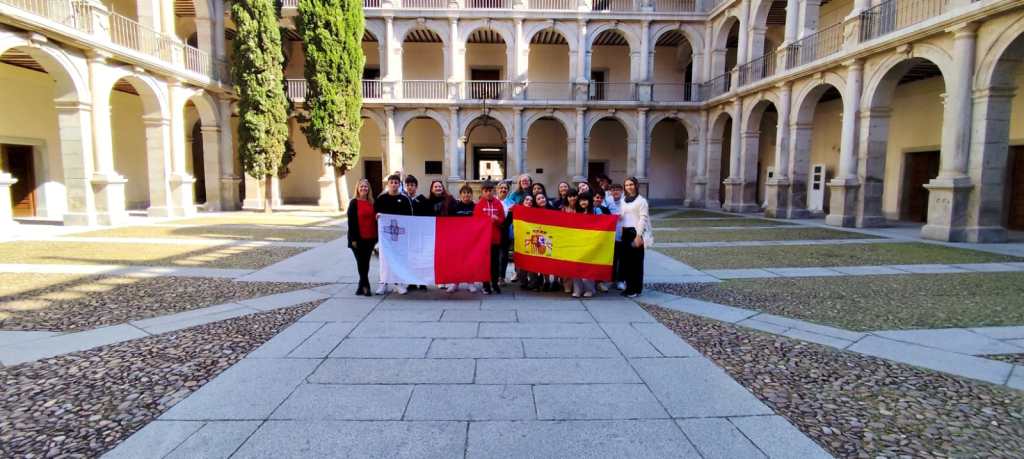
During the week between the 6th – 9th of May 2025, St Nicholas College was pleased to welcome a group of 5 Educators and Heads of School from Castilla y León. The Educators visited several schools from our College, as well as the Naxxar Induction Hub. This Job Shadowing experience focused on the inclusion of Migrant Learners within the context of mainstream education, which is one of the pillars on which our Erasmus+ Accreditation is based upon.
Before they arrived in Malta, two of the teachers created a short video with their students, to introduce themselves to our schools:
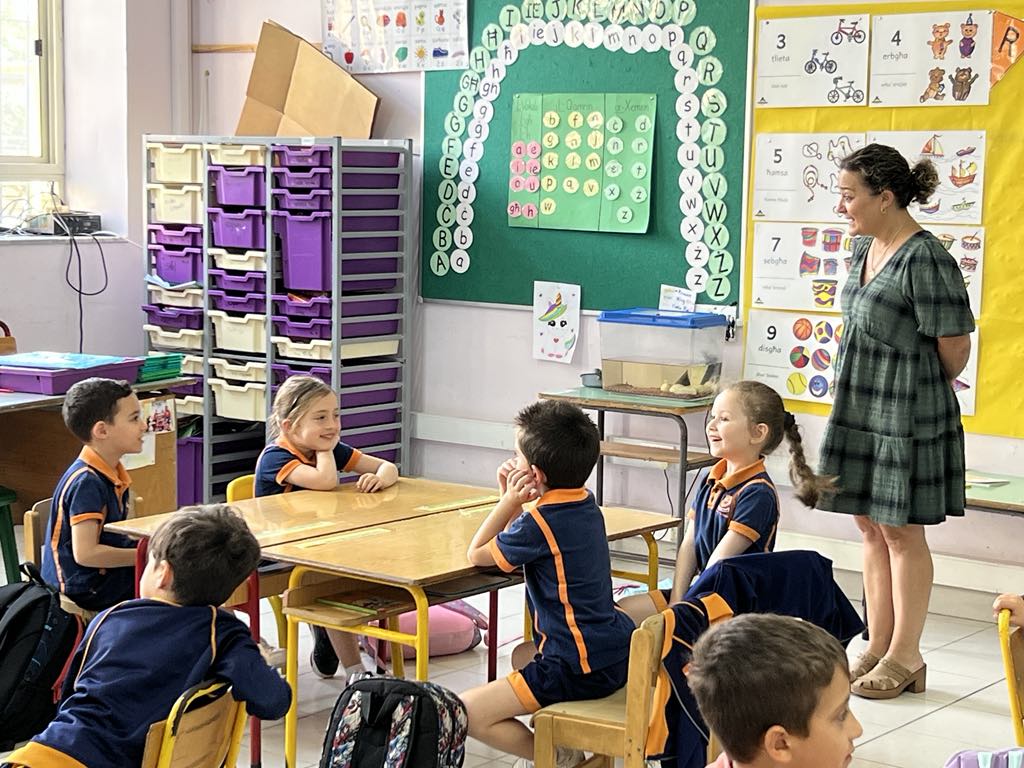
Apart from visiting different classrooms at our schools, the Spanish Educators had the opportunity to actively participate in the lessons by taking part in lessons and even teaching our students some Spanish!
The Spanish Delegation and our students and educators enjoyed the experience immensely! During the next Scholastic Year (2025 – 2026) Heads of School and Deputy Heads from St Nicholas College will have the opportunity to visit to Spain to learn more about the Spanish Schools and Spanish Educational System. This will be made possible thanks to St Nicholas College Accreditation Funds, co-funded by the European Union.
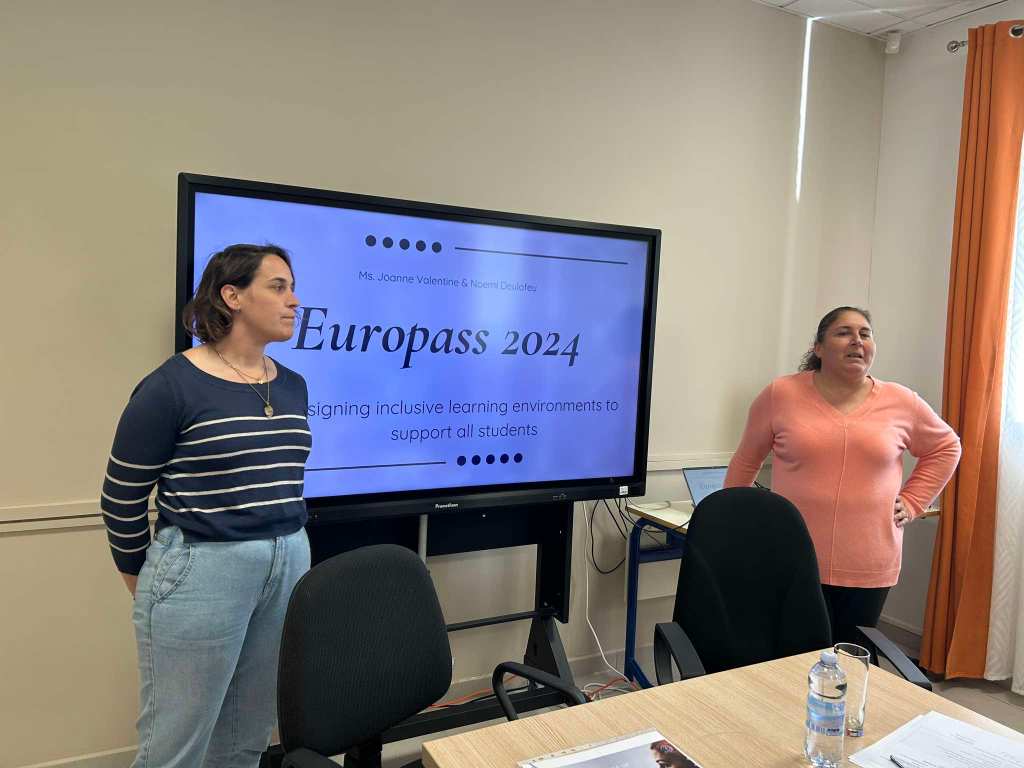
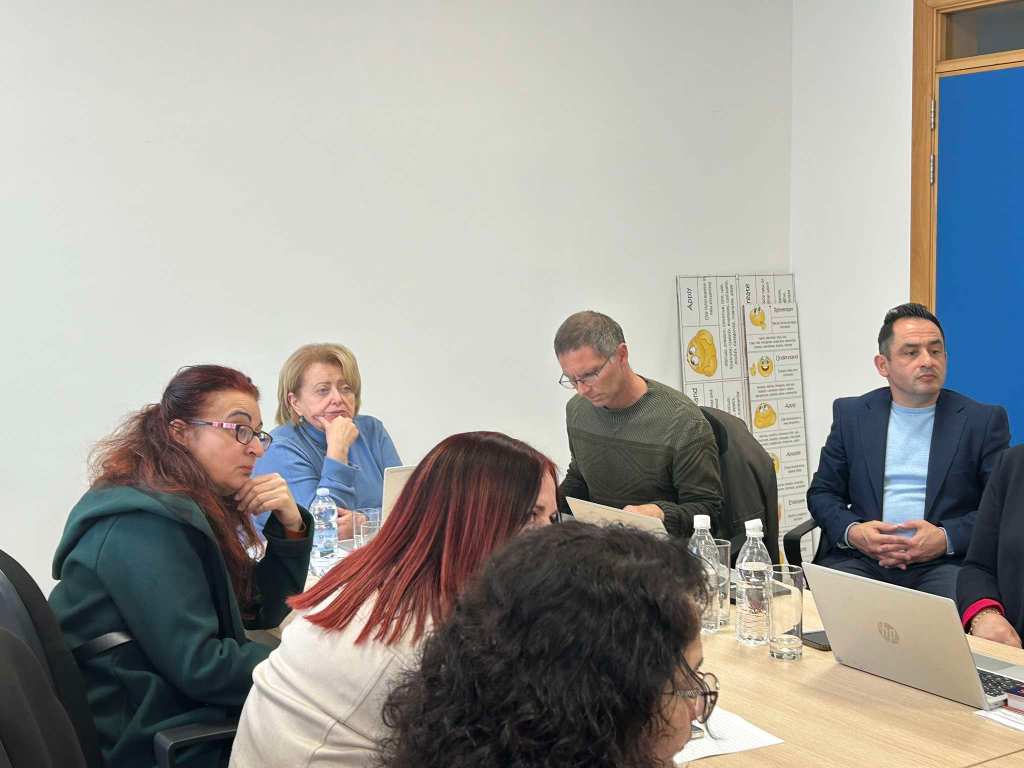
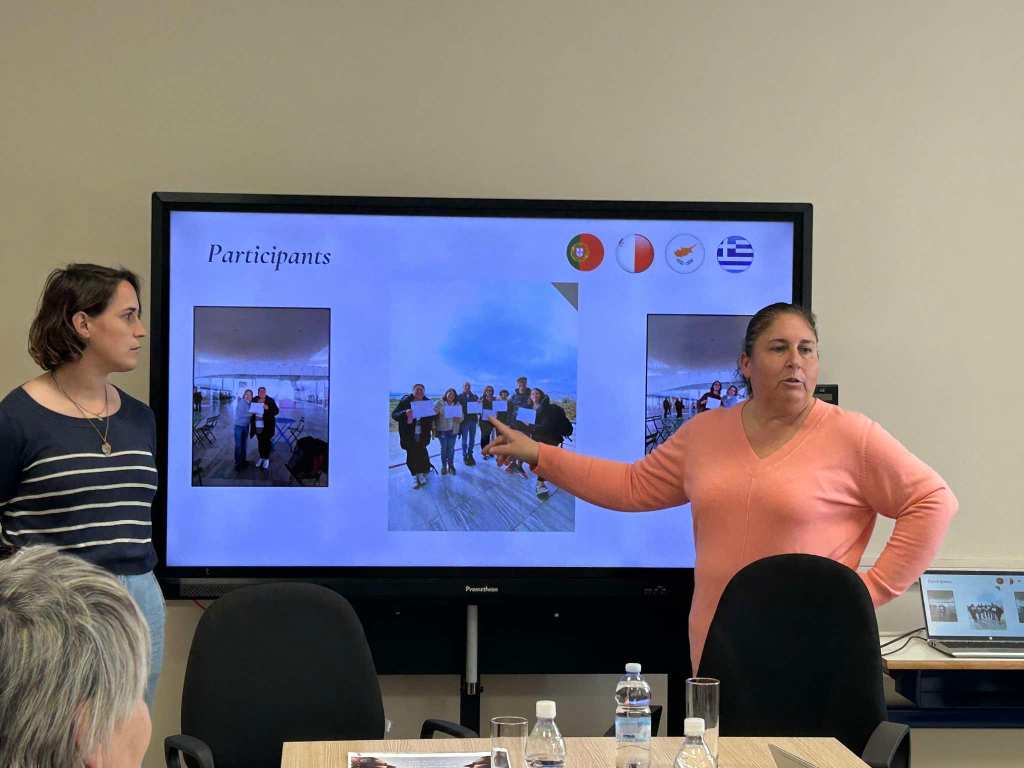
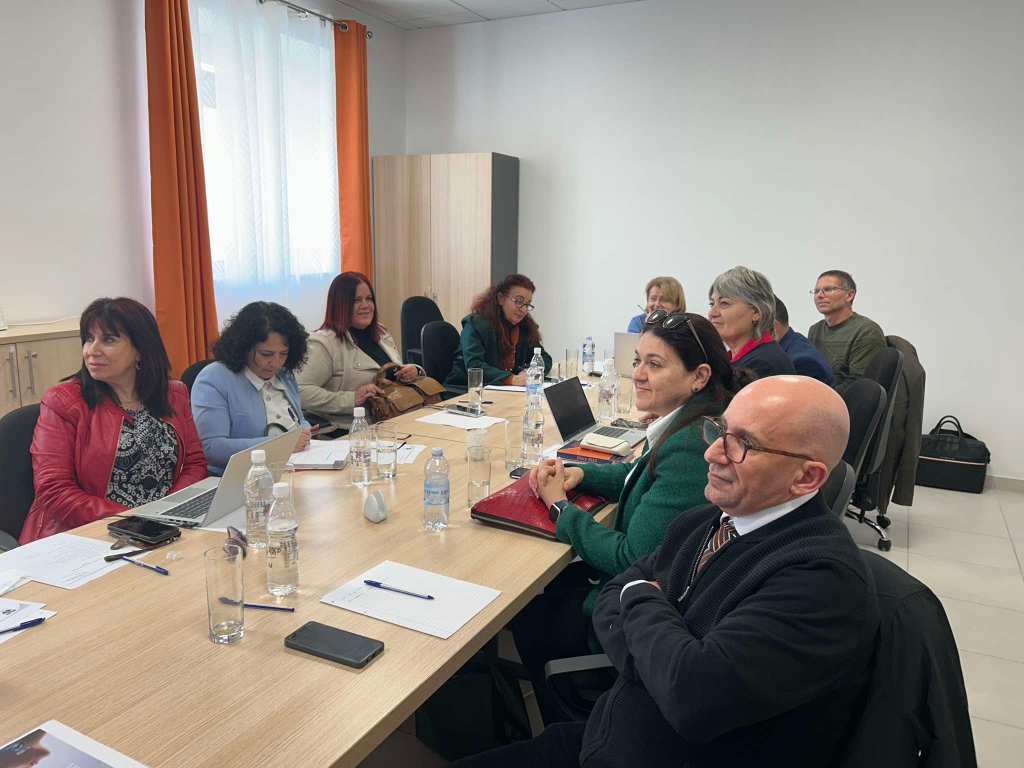
Two educators from St Nicholas College, Dingli Secondary School – Ms Joanne Valentine and Ms Noemi Deulofeu – recently attended the Erasmus+ Course ‘Designing Inclusive Learning Environments to Support all Students‘ at the Europass Teacher Academy in Athens, Greece.
The educators were invited during the St Nicholas College Council of Heads meeting which was held on the 11th of March 2025 at Dingli Secondary School. Present for the meeting were our Head of College Network, Ms Josephine Mifsud; Mr Jeffrey Zammit, EO Curriculum; Mr John Sultana, College Support Officer and Ms Amanda Debattista, St Nicholas College Erasmus+ Coordinator. Eleven Heads of School from our College were also present during the meeting.
They gave an overview of the courses attended, their experience with the pedagogical content and their interactions with other Educators from all over Europe. The educators thoroughly enjoyed their experience and have already started sharing their newly-found knowledge with their colleagues within their school.
More information about the course attended, as well as the Presentation created by the Educators themselves, can be found here:
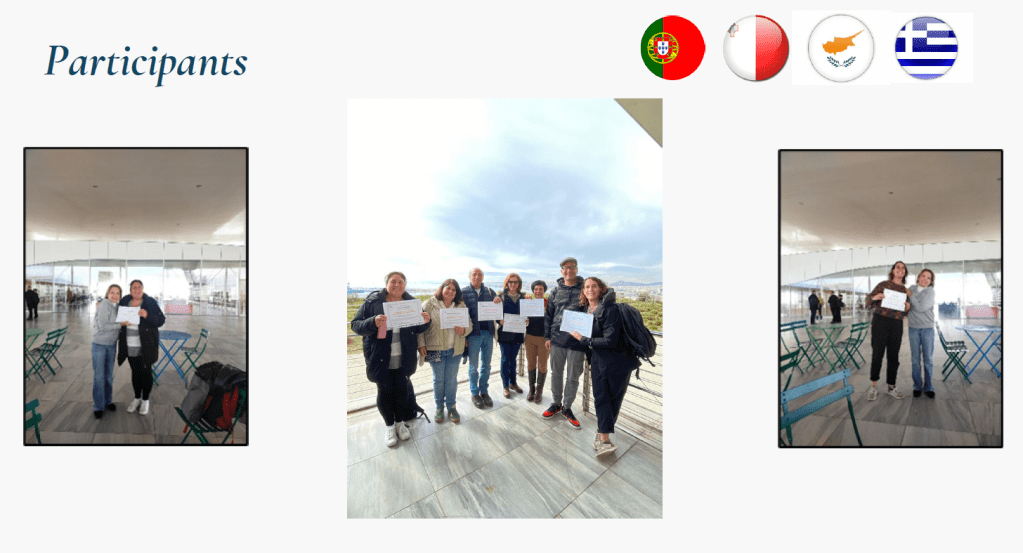
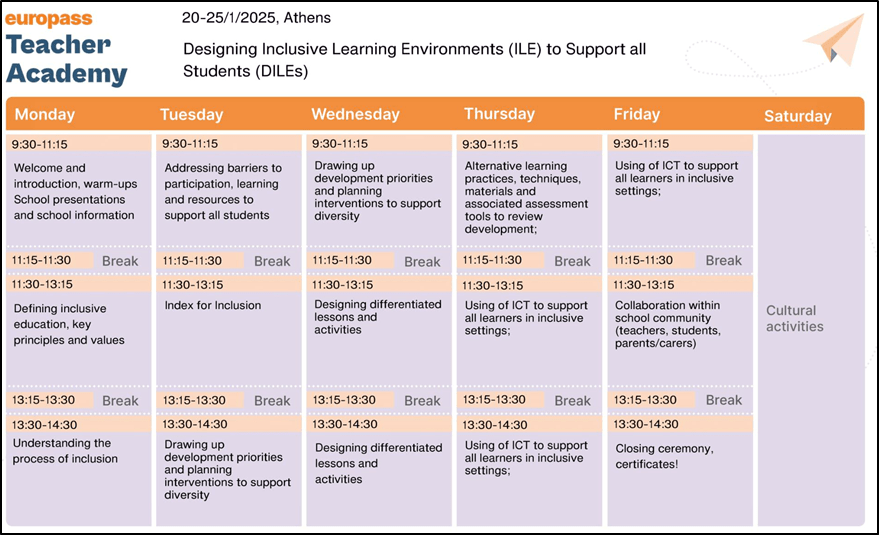
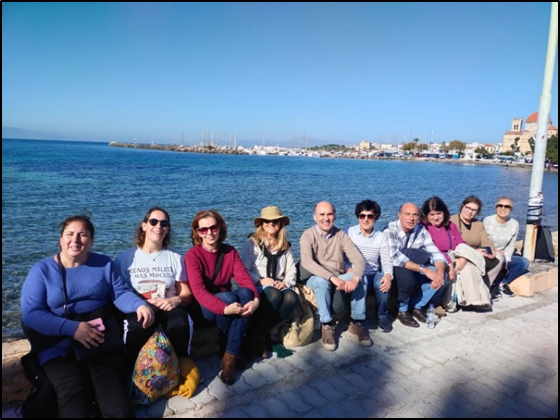
Two educators from St Nicholas College, Dingli Secondary School – Ms Joanne Valentine and Ms Noemi Deulofeu – recently attended the Erasmus+ Course ‘Designing Inclusive Learning Environments to Support all Students‘ at the Europass Teacher Academy in Athens, Greece. The course took place from Monday to Friday, with Saturday designated for cultural activities. Throughout the week, the program took place in the mornings, and in the afternoons, we explored the city of Athens on our own. On Saturday, in collaboration with the group of Portuguese teachers, we visited Aegina, a pistachio-producing island located near Athens.
Monday 20th January
The first day focused on school presentations, starting with Cyprus, followed by ice-breaking activities and the introduction of course participants. A presentation on Greece, its regions, and the course objectives was delivered. Information about the group was shared, which consisted of five Portuguese teachers (primary and secondary school teachers from different specialisations, sharing one Headmaster of all cluster schools, positively leading approximately 200-300 teachers), one Cypriot teacher (a primary school teacher, managing approximately 200 students with a particular focus on conflicts between refugee and local students), and two Maltese teachers. The session included an introduction to the humanistic participative model, cooperative strategies, and the concept of inclusion. Participants were also introduced to video content explaining different modes of applying inclusion methods for education. A very interesting video from a school in Barcelona was also shown to the participants followed by discussions focusing on the “road to inclusion”.
Presentations continued, with a focus on Portugal’s approach to education. The session delved deeper into inclusion strategies, exploring the principles of equity and equality. The Universal Design for Learning (UDL) framework was introduced, highlighting four key elements of inclusion: presence, participation, achievement, and the removal of barriers to learning. The session addressed how to support marginalized, excluded, or underachieving learners and explored the pillars of inclusion, including inequality, equality, equity, and justice.
Wednesday 22nd January
The concept of co-teaching was explored through an example in mathematics, explained by the Portuguese participants. UDL framework was discussed in-depth, with participants divided into three groups to gain a better understanding of how UDL works, including engagement, representation, and action. Tools such as Edutopia’s Check-in/Check-out system were presented. This method follows targeted students (mainly those that require support emotionally and socially) by staff members regularly, and acts accordingly upon their needs, presenting possible daily goals to improve and reflection after the day passed.
Some key concepts such as Vygotsky’s theories on collaboration and soft skills development through collaboration and digital tools (Padlet, Reader, NaturalReaders.com) were also explored during this session.
Thursday 23rd January:
The knowledge gained on UDL the previous day was applied in group activities. Tasks were differentiated into three levels: advanced (extended task), main task, and differentiated tasks for students with special needs (Tier 3 and 2). Strategies to foster both extrinsic and intrinsic motivation were discussed, and participants were encouraged to offer students autonomy and responsibility. The focus was on UDL engagement, recognizing that curricula are often designed with the “average” student in mind. Participants also explored the use of Coggle (Mind Map) and watched a video on PBIS (Positive Behavioural Interventions and Supports) from the United States.
Friday 24th January
The last day began with our presentation on the Maltese Islands, the Maltese education system and how our school operates on a daily basis. We also showed them a video with the various activities we organised at our school during the past year.
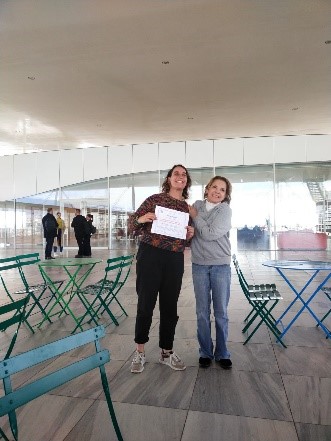
We then continued into a conclusion of all the course, we made sure all information was understood both in theory and practice, specifically the pragmatic outcomes. The last day we used it to make questions, share contacts and we also ended up visiting the Stavros Niarchos Foundation Cultural Centre (SNFCC) in Athens, which included a library tour.
This visit provided a practical context for explaining engagement and differentiation in education, emphasizing collaboration and fostering an inclusive environment. A tour of the SNFCC was followed by a group session on Bloom’s Taxonomy and a story circle. This activity concluded the course in a collaborative experience, in which every person shared their personal highlights of the course, and together, we built a story that represented each and every one of us, through a creative end.
Learning Outcomes:
Participants gained an in-depth understanding of UDL guidelines and their practical application. The course fostered a broader understanding of diverse educational systems, particularly those in Portugal, Greece, Malta and Cyprus. Participants learned how to apply differentiation strategies to support inclusion and promote equity and justice. A key outcome was the realization that teaching is transitioning from traditional methods to a more differentiated approach. The course introduced Project-Based Learning (PBL) and cooperative strategies such as “Think, Pair, Share,” and emphasized the importance of fostering both extrinsic and intrinsic motivation in the classroom. The concept of “Multi-Tiered Systems of Support” and the application of Vygotsky’s theories were central to the discussions. Additionally, the course explored the importance of critical thinking and active learning strategies.
Conclusion:
The Erasmus+ course facilitated the development of essential knowledge and skills, bridging theory with practice. Meaningful interactions allowed participants to apply their newfound knowledge in real-world settings, particularly in fostering collaboration within diverse classrooms. The course highlighted the importance of adaptation and differentiation to accommodate various learning needs and cultural backgrounds. While the participants acknowledged that full implementation of UDL could be challenging, there was a shared commitment to improving teaching practices. It was also recognized that further training in the use of AI tools is necessary. The course underscored the need for greater support for educators both inside and outside the classroom, alongside a focus on becoming digitally competent educators. Awareness of key educational concepts such as UDL and differentiation was also recognized as essential for the development of future lesson plans.
This mobility was made possible thanks to St Nicholas College Accreditation funds, co-funded by the European Union.
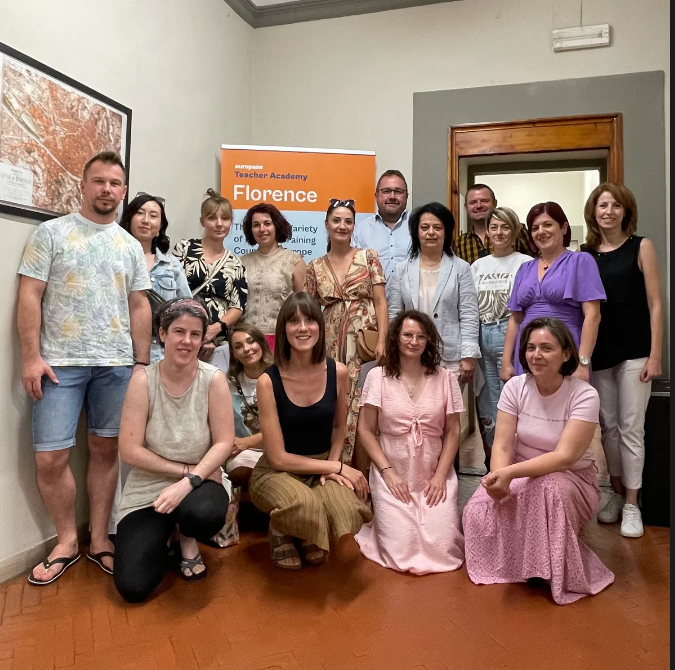
Ms. Lara Portelli and Ms. Riann Fenech Gladwish from St Nicholas College, Mtarfa Primary School, attended the Erasmus+ Course ‘Using ICT Tools to Integrate Migrant Students in the Classroom’. The course was held between the 1st and the 5th of July in Florence, Italy. Our educators were presented with various apps they can use in the classrooms to help integrate migrant students at school.
Well done to Ms Jade Fenech, Ms Ruth Barbara and Mr Josef Sant from Dingli Primary School, who have been awarded the National Quality Label for the eTwinning project: Playing Through Time.
Well done to Ms Elaine Gauci from Dingli Primary School, who has been awarded the National Quality Label for the eTwinning project: See Earth like an astronaut.
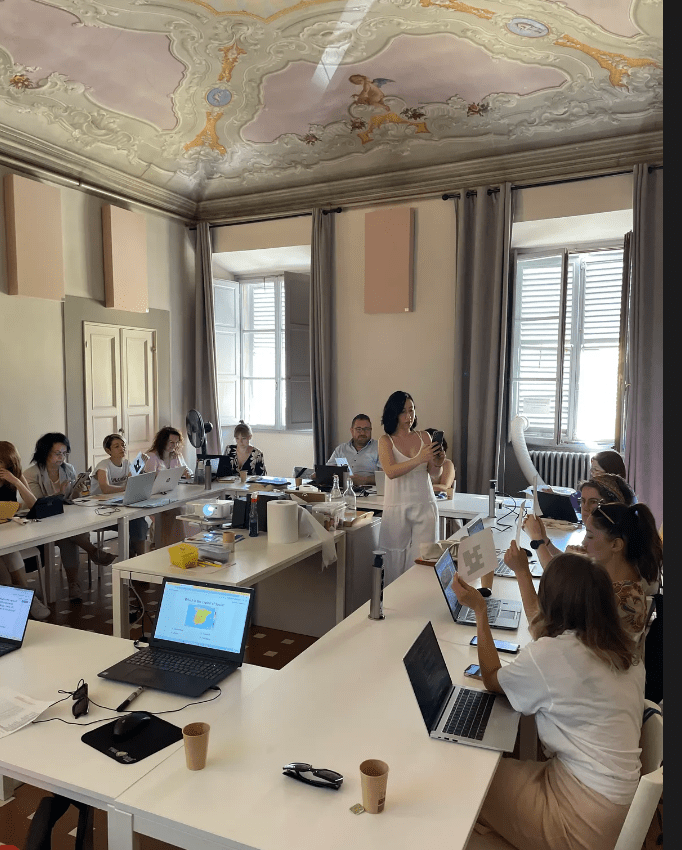
In July 2024, Ms Janice Vella Muscat – a Primary Teacher from St Nicholas College, Ġanni Cilia Primary School in Mġarr – had the opportunity to attend a five-day course titled ICT Tools for a Creative and Collaborative Classroom in the beautiful city of Florence, Italy. This mobility experience was truly enriching, both professionally and culturally. The course brought together educators from various parts of Europe, including participants from Greece, Poland, Austria, Budapest, and Bilbao. It provided an ideal platform for exchanging ideas and learning about the latest innovations in the field of education technology.
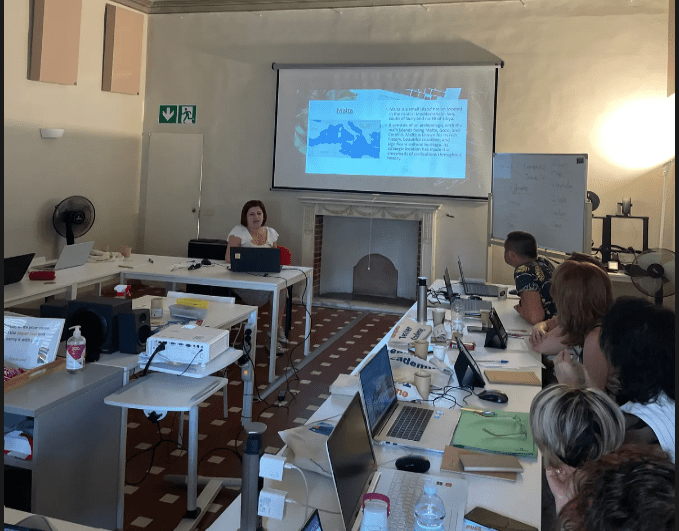
Ms Janice during her presentation on the Maltese Educational System and Mġarr Primary School
During the course, Ms Vella Muscat was introduced to a variety of ICT tools that can greatly enhance teaching and learning. Some of the key tools we explored included Padlet, Copilot, Gemini, and ChatGPT, each designed to foster creativity and collaboration in the classroom. The educators also delved into digital tools for assessment, such as Plickers, Slido, and Eduaide, which offer dynamic ways to engage students and assess their progress. These tools provide a wide range of possibilities to make learning more interactive and student-centered.
Experimenting with Digital Tools
A significant portion of the course was dedicated to exploring AI tools, which are rapidly evolving and becoming more integrated into educational settings. The discussions surrounding AI tools, especially those for image creation and content generation, highlighted the growing impact of artificial intelligence on teaching practices. This course not only equipped Ms Vella Muscat with practical ICT knowledge but also gave her a deeper understanding of how AI can shape the future of education.
This mobility was made possible thanks to St Nicholas College Accreditation funds, co-funded by the European Union.












 St.Nicholas College Malta