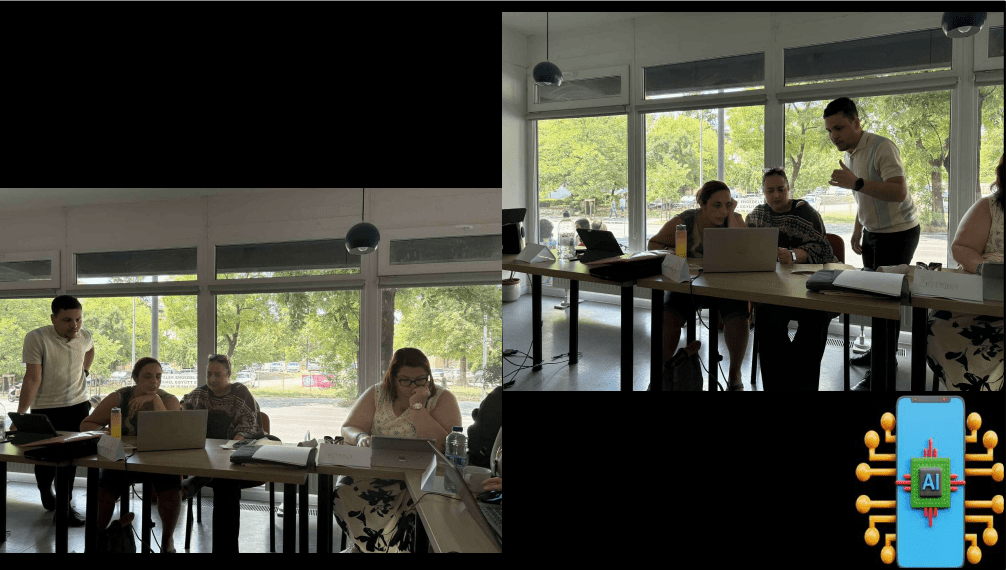
Three educators from St. Nicholas College, Attard Primary – Ms. Oriel, Ms. Michelle, and Ms. Lorraine – recently participated in an Erasmus+ training course held in Budapest, Hungary. The course, titled “There Is an App for That! Exploring the Best Apps for Teaching and Student Learning”, focused on innovative digital tools that can enhance classroom teaching and student engagement.
Over the week-long programme, the educators took part in hands-on workshops and collaborative activities with teachers from across Europe. They explored practical ways of integrating technology into daily lessons, ranging from interactive apps for student collaboration to tools that support assessment and creativity. The training emphasised not just learning about new applications but also understanding how to use them effectively to support diverse learning needs.
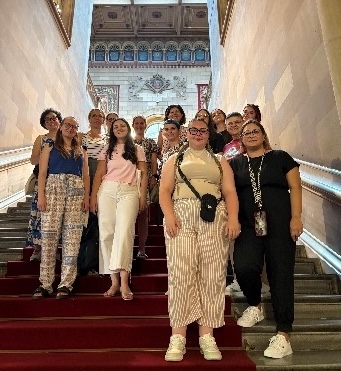
Beyond professional growth, the project fostered international exchange. The Maltese educators shared ideas with peers from different education systems, gaining insights into best practices while building lasting professional connections. The cultural setting of Budapest also provided an enriching backdrop, offering participants the chance to experience Hungarian heritage and traditions.
The initiative reflects Attard Primary’s strong commitment to continuous professional development and to preparing students for the demands of the 21st century. By bringing back their new knowledge, Ms. Oriel, Ms. Michelle, and Ms. Lorraine will share strategies with colleagues, ensuring that the benefits extend to the whole school community. Ultimately, the Erasmus+ experience demonstrates how investing in teachers leads directly to more engaging and dynamic learning opportunities for students—empowering both educators and learners alike.
Learn more about this mobility by clicking on the following link: Article
Educators from Wardija School Attended the Erasmus+ Course ‘Cultivating Diversity and Inclusion’ in Barcelona, Spain. Throughout the week, the participants engaged in interactive workshops focused on fostering inclusive educational environments and embracing diversity within the classroom. The training provided valuable insights, tools, and best practices for promoting equity and inclusion in schools.
Educators prepared the following video to share their experiences with others for Erasmus+ Days 2025. Click on the link to learn more about their experience!
#ErasmusAccreditation #Erasmus+
This mobility was made possible thanks so St Nicholas College Accreditation Grant, co-funded by the European Union.
Three educators from Rabat Middle School – Ms Olivia Cauchi Stivala, Ms Alicia Cauchi, and Ms Joanne Bondin – attended a 30-hour course in Budapest titled Neuroscience: Understanding How Your Students Learn. During this interactive course the participants deepened their understanding of the learning process, besides discovering how to integrate realistic neuroeducation strategies into their classroom and with their students. These strategies assure long-lasting retention of knowledge and the students are therefore more able to reach their full potential.
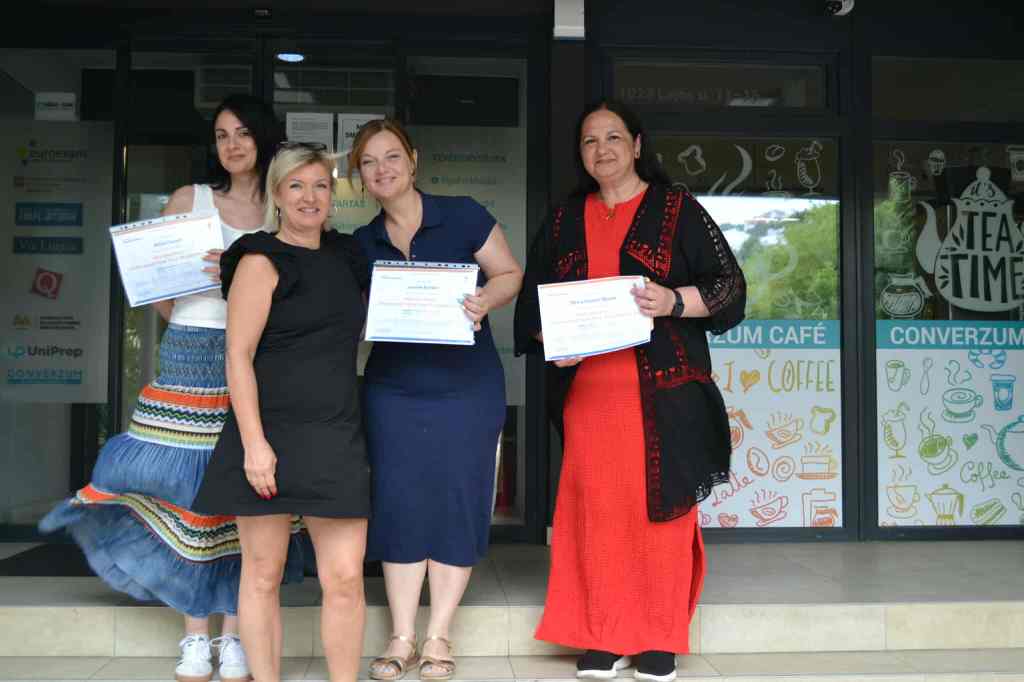
During the last day of the course the participants had the opportunity to implement some of the strategies learnt by designing and delivering a lesson incorporating memory techniques involving visualisation, elaboration and retrieval practices. At the end of the course the participants were presented with a certificate. It was a truly enriching experience for all, and they look forward to share the outcomes with their peers and educators from the College in the upcoming scholastic year.
This mobility was made possible thanks so St Nicholas College Accredition Grant, co-funded by the European Union.
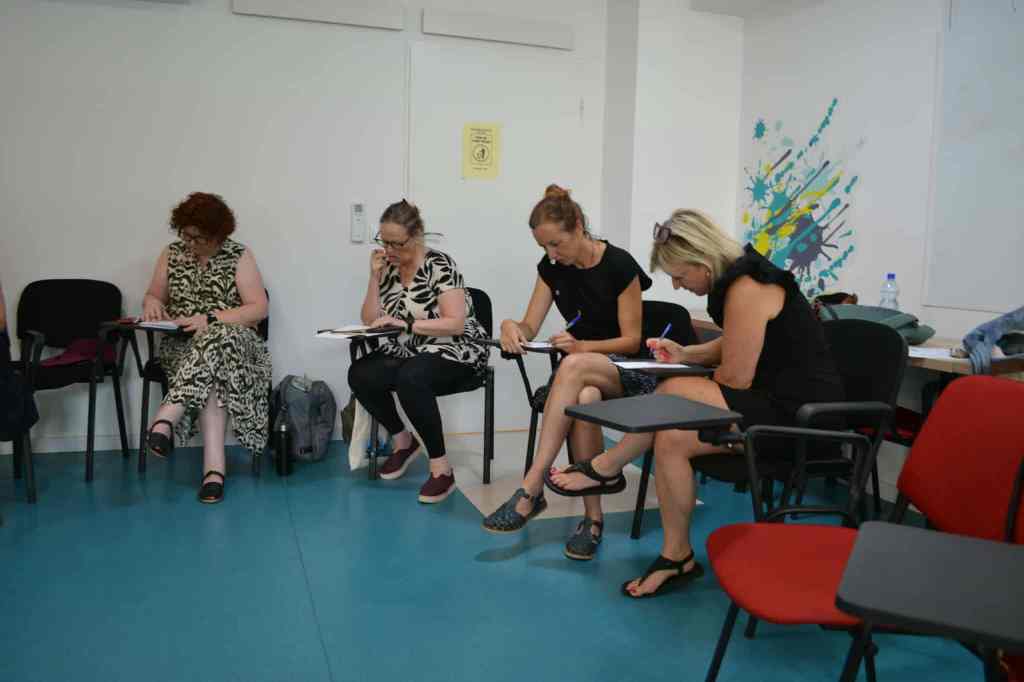
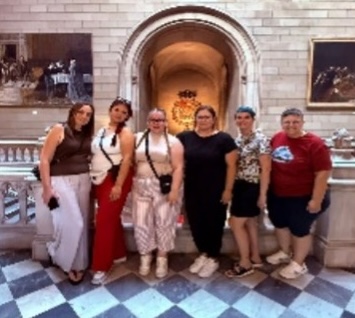
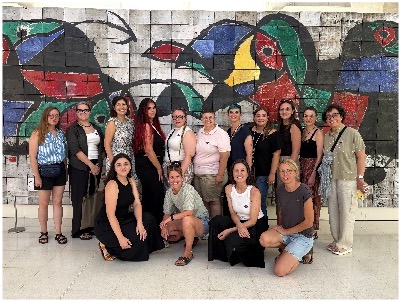
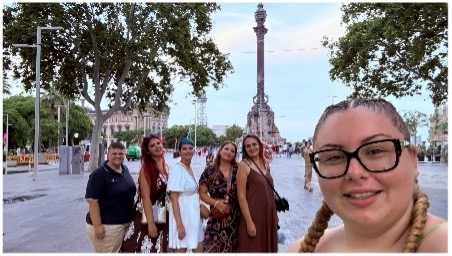
Six educators from St Nicholas College, Wardija : Ms Alexia, Ms Karen, Ms Mariah, Ms Megan, Ms Sarah, and Ms Tiziana recently took part in the Erasmus+ training course “Cultivating Diversity and Inclusion” held at the Europass Teacher Academy in Barcelona, Spain. The course ran from Monday to Saturday, with instructional sessions taking place in the mornings, except on Friday when the session was held in the afternoon.
Throughout the week, the participants engaged in interactive workshops focused on fostering inclusive educational environments and embracing diversity within the classroom. The training provided valuable insights, tools, and best practices for promoting equity and inclusion in schools.
Each day brought a blend of professional development and cultural discovery!
Monday 30th June: We were welcomed and introduced to the course aims. A brief presentation about our school and the other participants’ schools was delivered. The session then focused on the three pillars: well-being, student-centred approaches, and lifelong learning. Emphasis was placed on the importance of self-awareness, interpersonal skills, and resilience — all of which are essential for students to succeed academically, personally, and socially. As part of the cultural programme, we also visited the iconic Sagrada Família, where we had the opportunity to admire Gaudí’s breathtaking architecture and gain a deeper appreciation of Barcelona’s artistic heritage.
Tuesday 1st July: We began the day by diving into the “Happy School Framework”, which emphasises the 3Ps : People, Process, and Place — as the foundation of a positive school environment. This helped us reflect on the roles of relationships, learning approaches, and physical spaces in creating inclusive and nurturing schools.
Next, we explored the skills required by 21st-century teachers, grouped under the 3Ls: Learning skills, Literacy skills, and Life skills. We discussed the importance of the 4Cs :Critical thinking, Collaboration, Communication, and Creativity — and how these align with digital and social competencies like Information literacy, Media literacy, Flexibility, and Leadership. This session was highly engaging and encouraged us to consider how we can better equip students for a fast-changing world.One of the most insightful parts of the day was learning about the Iceberg Concept of Culture. This activity allowed us to reflect on how cultural understanding goes beyond visible elements like language and food. We explored the deeper, often unseen, aspects such as beliefs, values, communication styles, and social norms. It helped us realise the importance of looking beneath the surface to truly understand and respect cultural diversity in our classrooms.
Wednesday 2nd July: Today’s session was held at the prestigious University of Barcelona, a beautiful and historic venue that enriched our learning experience both academically and culturally. We began the day by reflecting on the theme: “How Culture Shapes Beliefs, Behaviours, and Classroom Dynamics” (UNESCO, 2006). This session helped us understand that culture deeply influences how students learn, behave, and interact in the classroom. It reminded us that educators must be culturally responsive in their teaching to ensure all students feel valued and respected.
We then engaged in an interactive discussion on what inclusion means to each of us and shared ideas on how to create more inclusive classroom cultures. We explored key aspects of inclusive education, such as the importance of having all students learn together, addressing diverse needs, and removing barriers to participation. We also looked at strategies like adapting teaching methods, modifying the curriculum, and providing individual support to meet the needs of all learners. Other important elements we discussed included the whole-school approach, equity and fairness, and the need to ensure physical accessibility for everyone. Together, these practices help create a welcoming and inclusive environment where every student can thrive.
In the afternoon, we embraced the local atmosphere by walking through La Boqueria Market and La Rambla, where we experienced the vibrant sights, sounds, and flavours of Barcelona. The day was a beautiful blend of professional learning and cultural immersion.
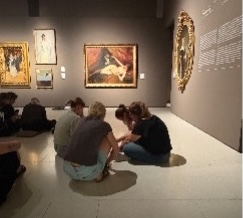
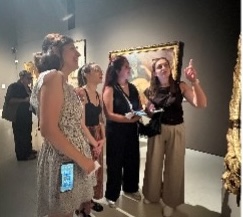
Thursday 3rd July: Today’s workshop was held at the stunning National Museum of Art of Catalonia (MNAC) a truly inspiring setting that elevated the learning experience. We were introduced to the concept of Artful Thinking, a strategy that encourages deep observation, critical thinking, and open interpretation. We spent time engaging with various artworks, observing details, and creating our own responses. This approach reminded us how powerful visual arts can be in fostering inclusive dialogue and creative expression in the classroom.
In the afternoon, the academy treated us to a hop-on hop-off bus tour, offering a fantastic cultural overview of Barcelona. This enriching excursion allowed us to explore some of the city’s most iconic landmarks and hidden gems from elegant architecture to panoramic views giving us a broader understanding of the city’s history, beauty, and cultural richness.
Friday 4th July: Today’s session focused on exploring AI tools that can be used in the classroom to promote diversity, inclusion, and student engagement. Our instructor introduced us to a variety of platforms, each offering unique ways to enhance teaching and learning.
We began with Padlet, a collaborative digital board that enables students to contribute through text, images, videos, and audio. It creates a safe and inclusive space where all learners, regardless of their preferred communication style, can share their ideas and interact with their peers.
Next, we learned about Brisk Teaching, an AI assistant for educators that helps with lesson planning, assessment creation, feedback generation, and differentiating instruction. It supports inclusive education by allowing teachers to tailor content to meet the diverse needs of their students.
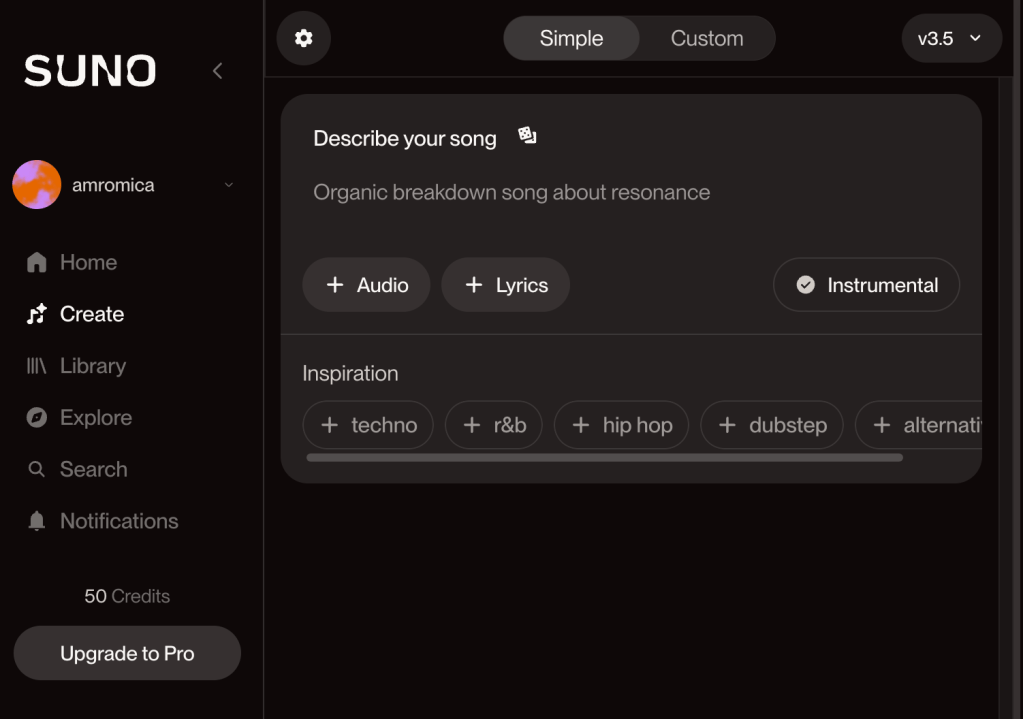
We also explored Suno, an AI tool that turns text into music. Though more creative in nature, Suno can be a powerful medium for student expression, especially for those who may connect more with music than traditional written assignments. It promotes inclusion by valuing multiple forms of expression.
Wakelet was another valuable tool introduced. It’s a content curation platform that lets teachers and students collect, organize, and share resources in a visually engaging way. It supports personalized learning and allows learners to showcase their understanding in formats that suit them best.
Lastly, we discussed ChatGPT, an AI-powered conversational tool that can be used to support students with brainstorming, writing assistance, tutoring, and answering questions in real time. It can be a helpful companion for both students and teachers, particularly in differentiated instruction and self-paced learning.
Saturday 5th July: Saturday was dedicated to cultural enrichment, giving us the opportunity to experience Barcelona in a more relaxed and immersive way. After meeting at the training centre where we met for the last time with the course providers and received our certificates of attendance, we then proceeded with a scenic boat trip along the Barcelona coast, enjoying panoramic views of the city from the Mediterranean Sea. The sea breeze and coastal perspective offered a peaceful moment of reflection after a week full of learning.
In the evening, we attended a passionate and colourful flamenco show, which allowed us to feel truly immersed in Spanish culture. The energy, rhythm, and storytelling of the performance left a lasting impression and was the perfect way to wrap up our unforgettable Erasmus+ experience in Barcelona.
In addition to the academic component, the course offered a rich cultural programme led by the course instructor. The group had the opportunity to explore Barcelona through guided tours and immersive experiences, combining professional growth with cultural exploration.
This mobility was made possible thanks so St Nicholas College Accredition Grant, co-funded by the European Union.











 St.Nicholas College Malta