In March 2024, a group of three educators from St Nicholas College, Rabat Primary School, visited Dublin on an Erasmus+ Job Shadowing. Click on the video below to watch a first hand account of their amazing experience!
Ms Nadia Mifsud, Ms Maria Gatt and Ms Diane Mifsud, educators at St Nicholas College Mtarfa Primary School, recently attended the Erasmus+ Course ‘Attention Please! Digital Tools and Techniques for Student Engagement’ in Budapest, Hungary.
Ms. Lara Portelli and Ms. Riann Fenech Gladwish from St Nicholas College, Mtarfa Primary School, attended the Erasmus+ Course ‘Using ICT Tools to Integrate Migrant Students in the Classroom’. The course was held between the 1st and the 5th of July in Florence, Italy. Our educators were presented with various apps they can use in the classrooms to help integrate migrant students at school.
Well done to Ms Jade Fenech, Ms Ruth Barbara and Mr Josef Sant from Dingli Primary School, who have been awarded the National Quality Label for the eTwinning project: Playing Through Time.
Well done to Ms Elaine Gauci from Dingli Primary School, who has been awarded the National Quality Label for the eTwinning project: See Earth like an astronaut.
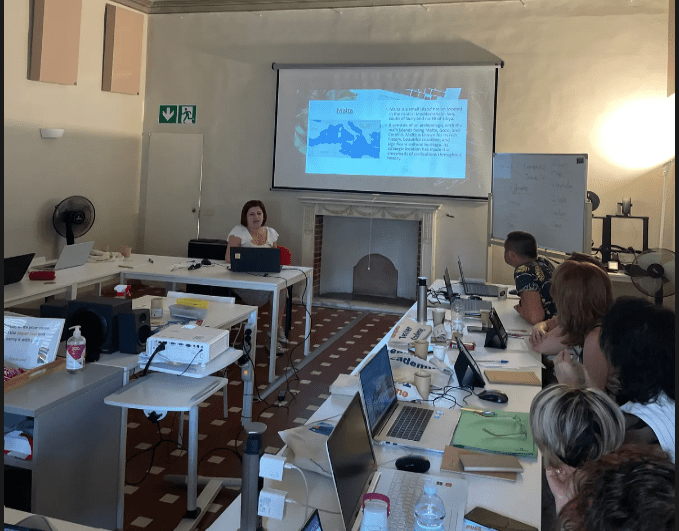
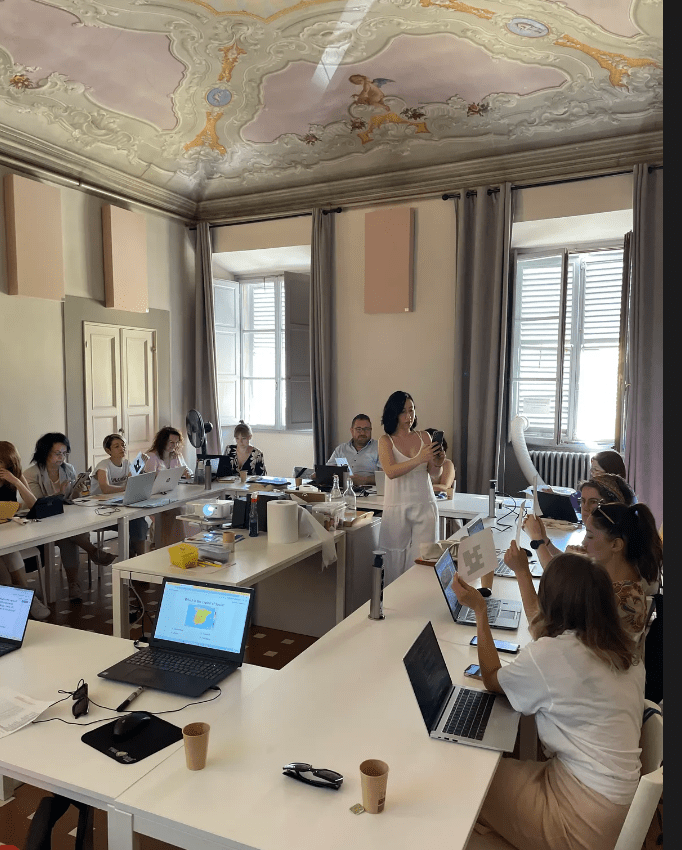
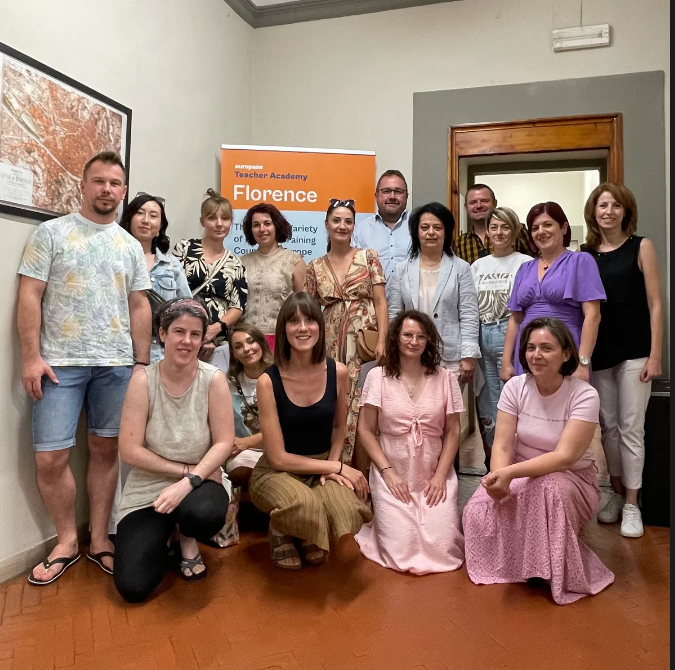
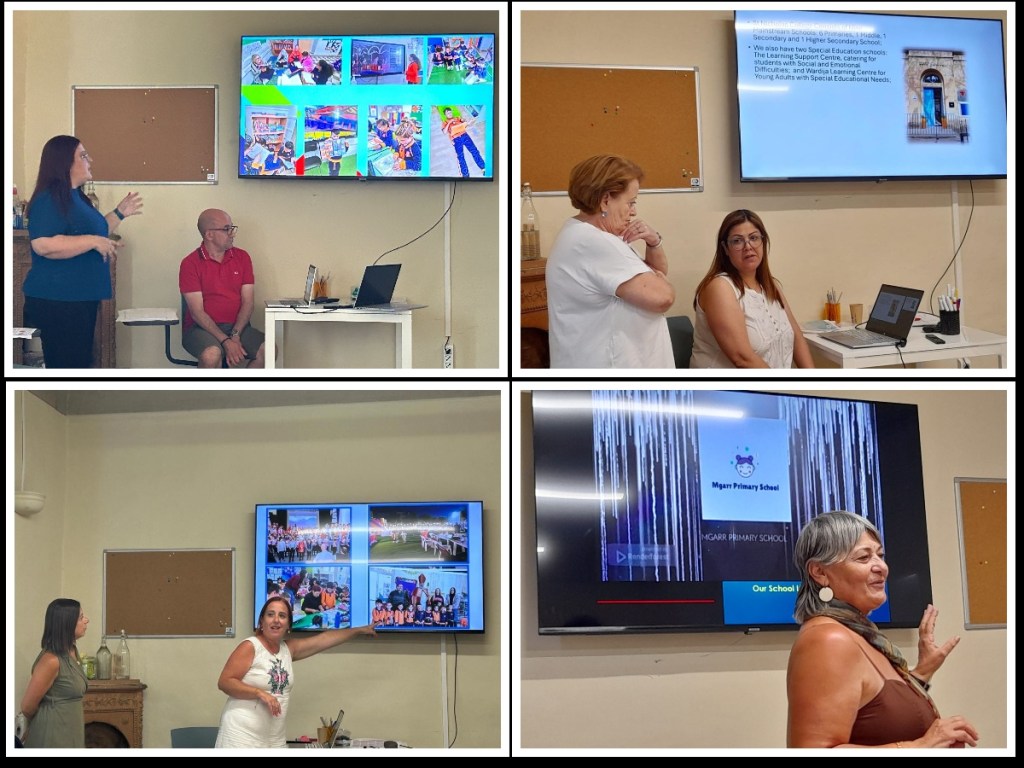
In July 2024, Ms Janice Vella Muscat – a Primary Teacher from St Nicholas College, Ġanni Cilia Primary School in Mġarr – had the opportunity to attend a five-day course titled ICT Tools for a Creative and Collaborative Classroom in the beautiful city of Florence, Italy. This mobility experience was truly enriching, both professionally and culturally. The course brought together educators from various parts of Europe, including participants from Greece, Poland, Austria, Budapest, and Bilbao. It provided an ideal platform for exchanging ideas and learning about the latest innovations in the field of education technology.
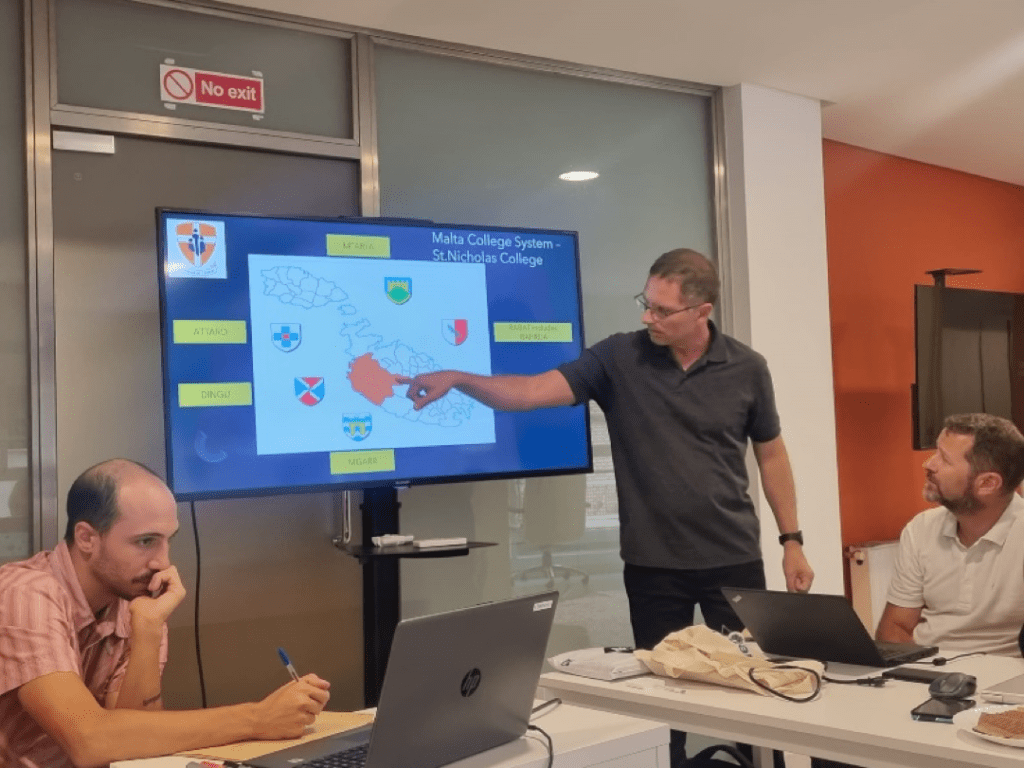
Ms Janice during her presentation on the Maltese Educational System and Mġarr Primary School
During the course, Ms Vella Muscat was introduced to a variety of ICT tools that can greatly enhance teaching and learning. Some of the key tools we explored included Padlet, Copilot, Gemini, and ChatGPT, each designed to foster creativity and collaboration in the classroom. The educators also delved into digital tools for assessment, such as Plickers, Slido, and Eduaide, which offer dynamic ways to engage students and assess their progress. These tools provide a wide range of possibilities to make learning more interactive and student-centered.
Experimenting with Digital Tools
A significant portion of the course was dedicated to exploring AI tools, which are rapidly evolving and becoming more integrated into educational settings. The discussions surrounding AI tools, especially those for image creation and content generation, highlighted the growing impact of artificial intelligence on teaching practices. This course not only equipped Ms Vella Muscat with practical ICT knowledge but also gave her a deeper understanding of how AI can shape the future of education.
This mobility was made possible thanks to St Nicholas College Accreditation funds, co-funded by the European Union.
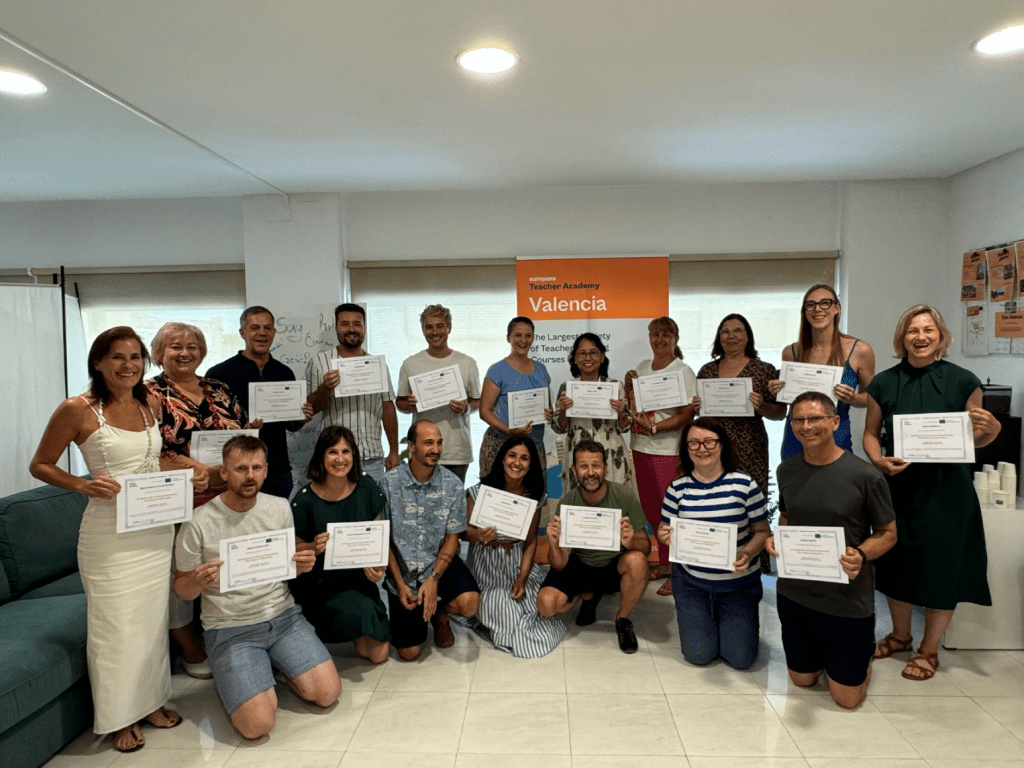
In July 2024, Mr. Jeffrey Zammit, the Education Officer for St. Nicholas College, went on an Erasmus experience in Valencia. During this opportunity, he connected with 16 other educators, primarily principals and heads of schools from various European countries. Together, they participated in a course focused on AI-Enhanced Learning Experiences —one that tries to integrate artificial intelligence into today’s classrooms.
The course mainly focused on two questions that educators and school leaders often face:
How can school administrators and educators can effectively use AI in their daily responsibilities?
In what ways is AI is impacting leadership within schools?
To explore these questions, participants made use of various web tools, using AI, including:
Fobizz, aplatform where educators make use of digital technologies into their teaching practices, ultimately enhancing student engagement.
Bot Assistants in Education: These tools provide immediate support to students, facilitating personalized learning.
AI in the Flipped Classroom: AI enhances the flipped classroom model by offering personalized learning pathways.
ChatGPT: The group discussed the risks of such tool but agreed that it also offers significant educational advantages.
Quizizz: An interactive platform that gamifies assessments, making learning enjoyable.
Canva: A design tool that helps educators and students to create visuals in their educational materials.
Suno: An innovative tool that assists educators in creating songs, enhancing the learning experience through music.
Each day of the course featured a “Reflection Roundtable,” where participants engaged in discussions about their learnings and exchanged insights with one another. This collaborative environment fostered deeper connections and enriched the overall educational experience.
Click on the following link to download a presentation with all the activities covered during the course:
A group of eight members of the SLT, including St Nicholas College Network Head of College Network Ms Josephine Mifsud and Director General People Management Ms Mary Scicluna recently attended the Erasmus+ funded course ‘Inclusive Education for School Leaders: Setting the Vision and Agenda‘ in Florence, Italy. The course focused on helping school leaders acquire the strategic managerial tools necessary to promote inclusion in their schools for the benefit of the whole community. The target audience for the course are school principals and deputies, who want to increase the capacity of their whole staff to bring inclusion in the school’s everyday life.
Participants were also able to analyse a variety of case studies to find out paradigms and strategies (e.g., the Low Arousal Approach) on how to shape an emotionally caring environment in their schools to support both the learners and the staff in adopting behavior that promotes inclusion at all levels.
Apart from the College HCN (Ms Josephine Mifsud) and DG People Management (Ms Mary Scicluna), the course was also attended by Ms Marianne Cachia, Ms Elizabeth Galea and Mr Robert Saliba (Heads of School); Ms Deborah Montebello and Ms Annemarie Camilleri (Assistant Heads of Schoo) and Ms Amanda Debattista (Project Coordinator). The course also met one of the College’s main aims for our Erasmus+ Accreditation: Inclusion of Migrant Learners in our school community. This mobility was made possible thanks to St Nicholas College Accreditation funds, co-funded by the European Union.
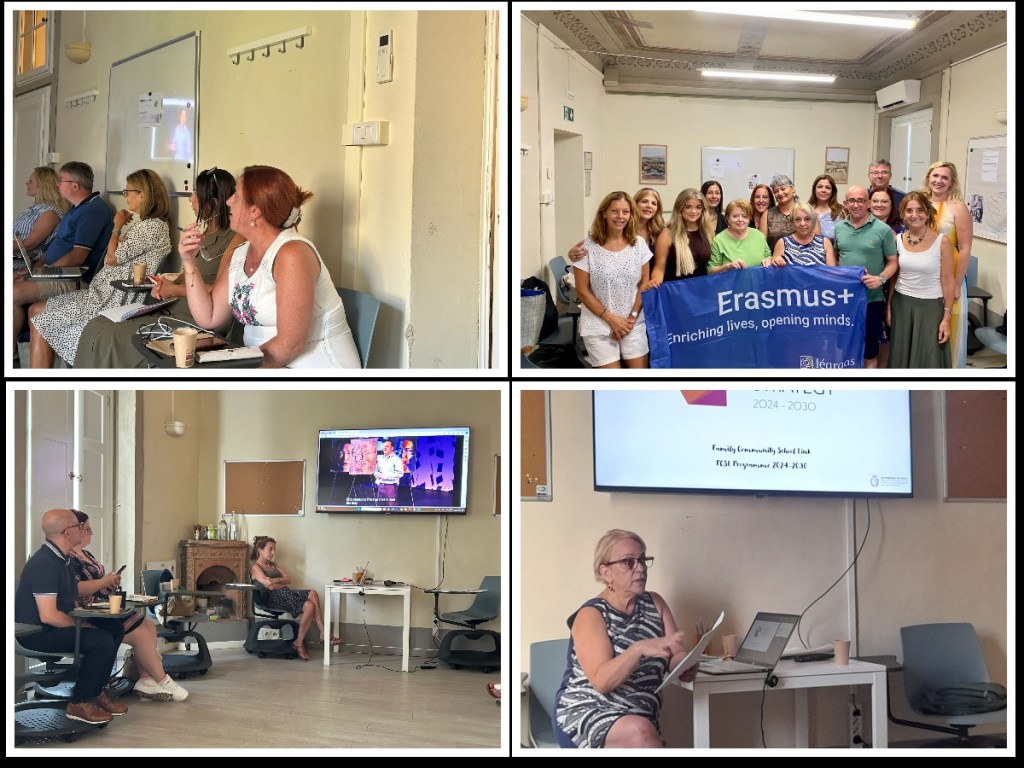
On the 3rd of July St Nicholas College organised a Multiplier Event: Sharing of Good Practice stemming from our Erasmus+ Accreditation Projects. The event, which was held at St Nicholas College Dingli Secondary School, showcased the work of educators, students, and members of the Senior Leadership Teams within our schools. Educators from across all the schools in St Nicholas College, as well as Heads of College Networks from across eleven Colleges and Education Officers were invited to attend. The event was also supported by the European Union Programmes Agency, with Mr Clifford Debattista, Head of Communications, giving a concluding speech.
After a brief introduction by Ms Josephine Mifsud, Head of College Network, the floor was given to the educators who had attended different kinds of mobilities: Courses and Training, Job Shadowing and Pupil Mobilities. Educators prepared presentations and videos and described their mobilities in detail: how they were approached by the Head of College Network, the type of activity they attended, how it effected their professional development, and how everything was then tied up to the College’s main targets. Although the students could not participate in the event, their presence was still felt as educators who participated in pupil mobilities conducted interviews with both parents and students who attended the mobilities; thus bringing their perspective to the proceedings as well.
This activity was made possible thanks to St Nicholas College Accreditation funds, co-funded by the European Union.
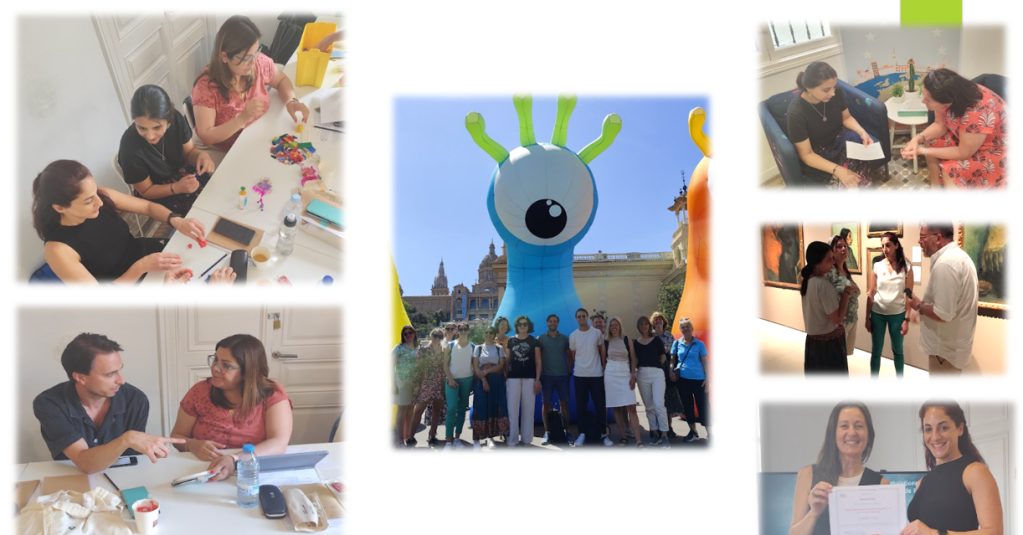
One of the main objectives our College wishes to achieve through our Erasmus+ Accreditation is the fostering of well-being amongst both Educators and Students. Ms Alexia Cutajar (College Social Worker), Ms Amanda Debattista (Erasmus+ Coordinator) and Ms Marija Vella (College Counselor) attended an Erasmus+ course in Barcelona, which focused on Social and Emotional Learning.
During the course, the participants discussed our students face a world of complex relationships that require them to identify and manage their emotions, interact constructively with others, understand healthy boundaries, and take responsibility. These “intelligences”, as described by Daniel Goleman, can be incorporated into our teaching practices through Social and Emotional Learning (SEL) methods and strategies.2
Through practical and experiential activities, Ms Alexia, Ms Marija and Ms Amanda have deepened their own self-awareness, empathy, and social skills, which has greatly enriched their own Social and Emotional Intelligence. During the course, they also discussed concrete tools and strategies for conflict management, stress reduction, and resilience will empower the group to not only do SEL activities but to be an SEL educator.
A more detailed presentation about their activities can be downloaded by clicking on the link below:









 St.Nicholas College Malta