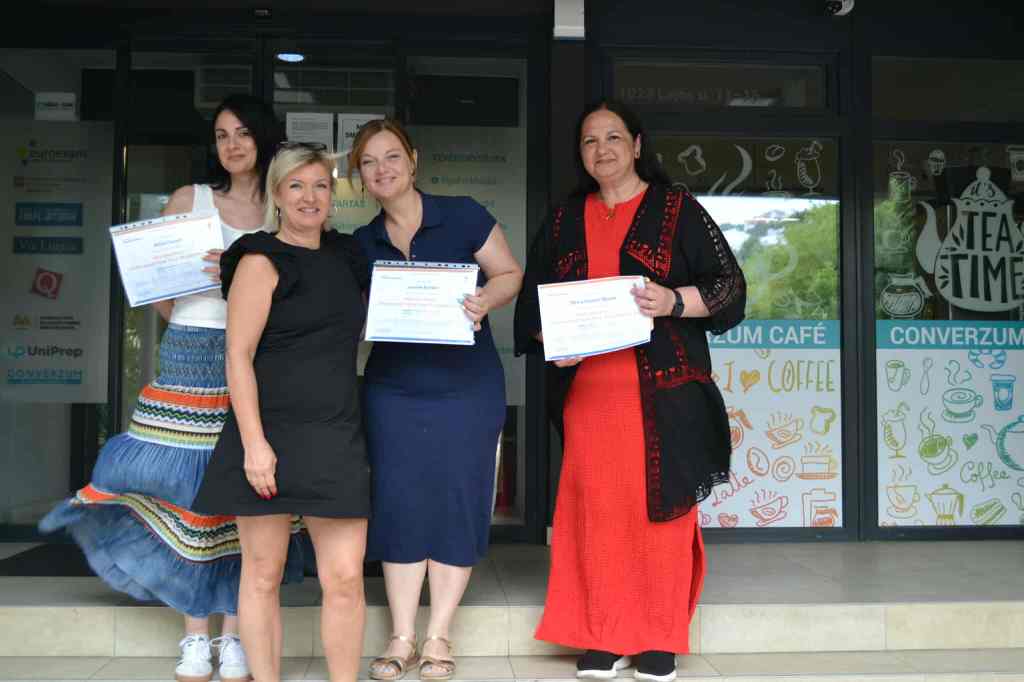
Three educators from Rabat Middle School – Ms Olivia Cauchi Stivala, Ms Alicia Cauchi, and Ms Joanne Bondin – attended a 30-hour course in Budapest titled Neuroscience: Understanding How Your Students Learn. During this interactive course the participants deepened their understanding of the learning process, besides discovering how to integrate realistic neuroeducation strategies into their classroom and with their students. These strategies assure long-lasting retention of knowledge and the students are therefore more able to reach their full potential.
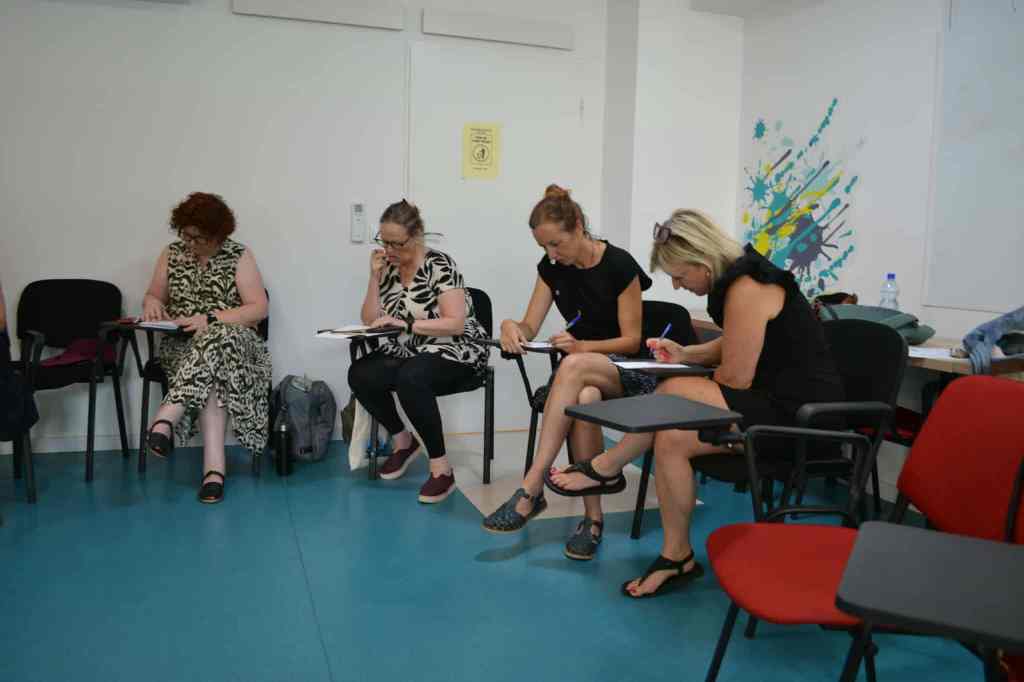
During the last day of the course the participants had the opportunity to implement some of the strategies learnt by designing and delivering a lesson incorporating memory techniques involving visualisation, elaboration and retrieval practices. At the end of the course the participants were presented with a certificate. It was a truly enriching experience for all, and they look forward to share the outcomes with their peers and educators from the College in the upcoming scholastic year.
This mobility was made possible thanks so St Nicholas College Accredition Grant, co-funded by the European Union.
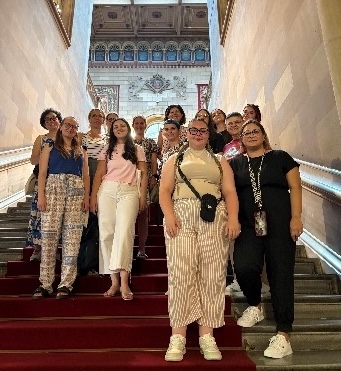
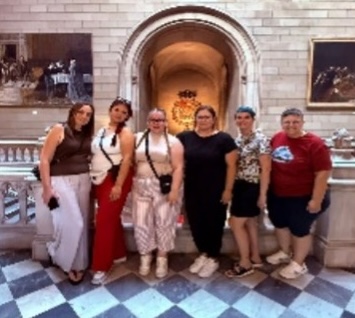
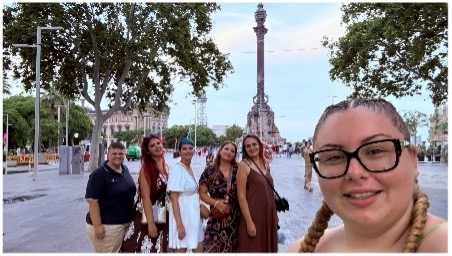
Six educators from St Nicholas College, Wardija : Ms Alexia, Ms Karen, Ms Mariah, Ms Megan, Ms Sarah, and Ms Tiziana recently took part in the Erasmus+ training course “Cultivating Diversity and Inclusion” held at the Europass Teacher Academy in Barcelona, Spain. The course ran from Monday to Saturday, with instructional sessions taking place in the mornings, except on Friday when the session was held in the afternoon.
Throughout the week, the participants engaged in interactive workshops focused on fostering inclusive educational environments and embracing diversity within the classroom. The training provided valuable insights, tools, and best practices for promoting equity and inclusion in schools.
Each day brought a blend of professional development and cultural discovery!
Monday 30th June: We were welcomed and introduced to the course aims. A brief presentation about our school and the other participants’ schools was delivered. The session then focused on the three pillars: well-being, student-centred approaches, and lifelong learning. Emphasis was placed on the importance of self-awareness, interpersonal skills, and resilience — all of which are essential for students to succeed academically, personally, and socially. As part of the cultural programme, we also visited the iconic Sagrada Família, where we had the opportunity to admire Gaudí’s breathtaking architecture and gain a deeper appreciation of Barcelona’s artistic heritage.
Tuesday 1st July: We began the day by diving into the “Happy School Framework”, which emphasises the 3Ps : People, Process, and Place — as the foundation of a positive school environment. This helped us reflect on the roles of relationships, learning approaches, and physical spaces in creating inclusive and nurturing schools.
Next, we explored the skills required by 21st-century teachers, grouped under the 3Ls: Learning skills, Literacy skills, and Life skills. We discussed the importance of the 4Cs :Critical thinking, Collaboration, Communication, and Creativity — and how these align with digital and social competencies like Information literacy, Media literacy, Flexibility, and Leadership. This session was highly engaging and encouraged us to consider how we can better equip students for a fast-changing world.One of the most insightful parts of the day was learning about the Iceberg Concept of Culture. This activity allowed us to reflect on how cultural understanding goes beyond visible elements like language and food. We explored the deeper, often unseen, aspects such as beliefs, values, communication styles, and social norms. It helped us realise the importance of looking beneath the surface to truly understand and respect cultural diversity in our classrooms.
Wednesday 2nd July: Today’s session was held at the prestigious University of Barcelona, a beautiful and historic venue that enriched our learning experience both academically and culturally. We began the day by reflecting on the theme: “How Culture Shapes Beliefs, Behaviours, and Classroom Dynamics” (UNESCO, 2006). This session helped us understand that culture deeply influences how students learn, behave, and interact in the classroom. It reminded us that educators must be culturally responsive in their teaching to ensure all students feel valued and respected.
We then engaged in an interactive discussion on what inclusion means to each of us and shared ideas on how to create more inclusive classroom cultures. We explored key aspects of inclusive education, such as the importance of having all students learn together, addressing diverse needs, and removing barriers to participation. We also looked at strategies like adapting teaching methods, modifying the curriculum, and providing individual support to meet the needs of all learners. Other important elements we discussed included the whole-school approach, equity and fairness, and the need to ensure physical accessibility for everyone. Together, these practices help create a welcoming and inclusive environment where every student can thrive.
In the afternoon, we embraced the local atmosphere by walking through La Boqueria Market and La Rambla, where we experienced the vibrant sights, sounds, and flavours of Barcelona. The day was a beautiful blend of professional learning and cultural immersion.
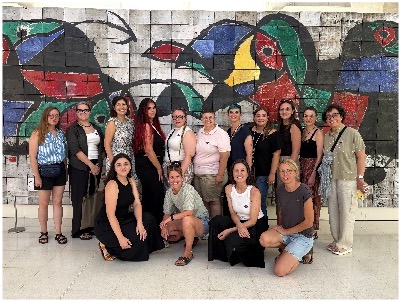
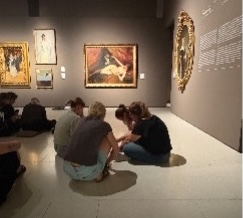
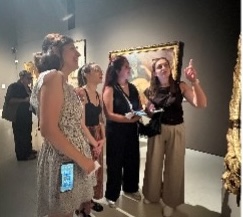
Thursday 3rd July: Today’s workshop was held at the stunning National Museum of Art of Catalonia (MNAC) a truly inspiring setting that elevated the learning experience. We were introduced to the concept of Artful Thinking, a strategy that encourages deep observation, critical thinking, and open interpretation. We spent time engaging with various artworks, observing details, and creating our own responses. This approach reminded us how powerful visual arts can be in fostering inclusive dialogue and creative expression in the classroom.
In the afternoon, the academy treated us to a hop-on hop-off bus tour, offering a fantastic cultural overview of Barcelona. This enriching excursion allowed us to explore some of the city’s most iconic landmarks and hidden gems from elegant architecture to panoramic views giving us a broader understanding of the city’s history, beauty, and cultural richness.
Friday 4th July: Today’s session focused on exploring AI tools that can be used in the classroom to promote diversity, inclusion, and student engagement. Our instructor introduced us to a variety of platforms, each offering unique ways to enhance teaching and learning.
We began with Padlet, a collaborative digital board that enables students to contribute through text, images, videos, and audio. It creates a safe and inclusive space where all learners, regardless of their preferred communication style, can share their ideas and interact with their peers.
Next, we learned about Brisk Teaching, an AI assistant for educators that helps with lesson planning, assessment creation, feedback generation, and differentiating instruction. It supports inclusive education by allowing teachers to tailor content to meet the diverse needs of their students.
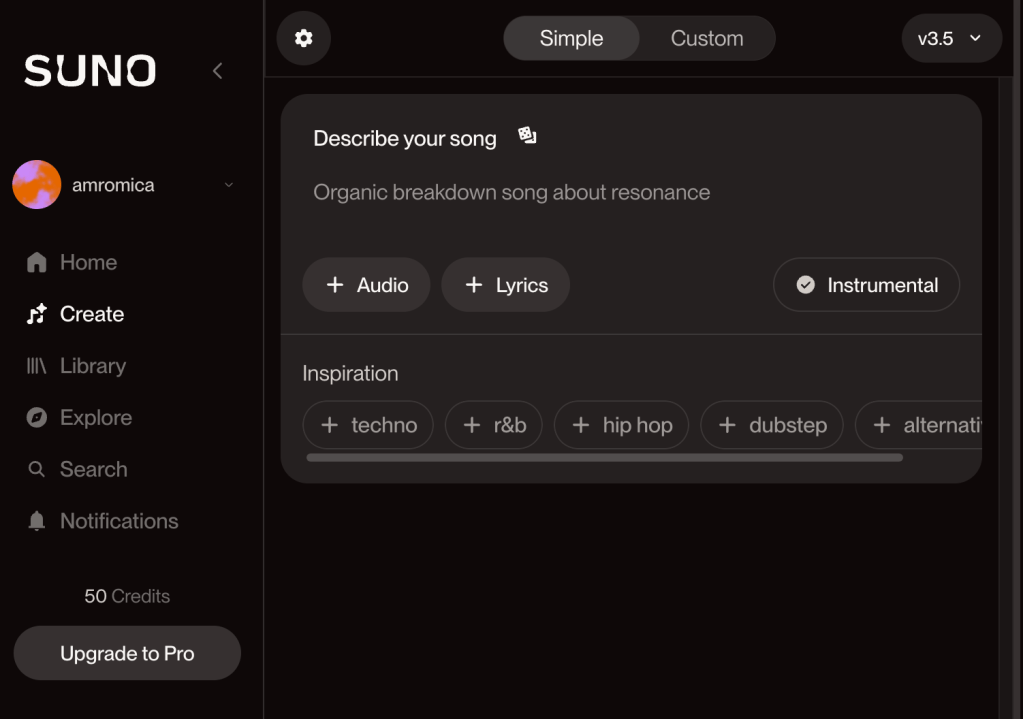
We also explored Suno, an AI tool that turns text into music. Though more creative in nature, Suno can be a powerful medium for student expression, especially for those who may connect more with music than traditional written assignments. It promotes inclusion by valuing multiple forms of expression.
Wakelet was another valuable tool introduced. It’s a content curation platform that lets teachers and students collect, organize, and share resources in a visually engaging way. It supports personalized learning and allows learners to showcase their understanding in formats that suit them best.
Lastly, we discussed ChatGPT, an AI-powered conversational tool that can be used to support students with brainstorming, writing assistance, tutoring, and answering questions in real time. It can be a helpful companion for both students and teachers, particularly in differentiated instruction and self-paced learning.
Saturday 5th July: Saturday was dedicated to cultural enrichment, giving us the opportunity to experience Barcelona in a more relaxed and immersive way. After meeting at the training centre where we met for the last time with the course providers and received our certificates of attendance, we then proceeded with a scenic boat trip along the Barcelona coast, enjoying panoramic views of the city from the Mediterranean Sea. The sea breeze and coastal perspective offered a peaceful moment of reflection after a week full of learning.
In the evening, we attended a passionate and colourful flamenco show, which allowed us to feel truly immersed in Spanish culture. The energy, rhythm, and storytelling of the performance left a lasting impression and was the perfect way to wrap up our unforgettable Erasmus+ experience in Barcelona.
In addition to the academic component, the course offered a rich cultural programme led by the course instructor. The group had the opportunity to explore Barcelona through guided tours and immersive experiences, combining professional growth with cultural exploration.
This mobility was made possible thanks so St Nicholas College Accredition Grant, co-funded by the European Union.
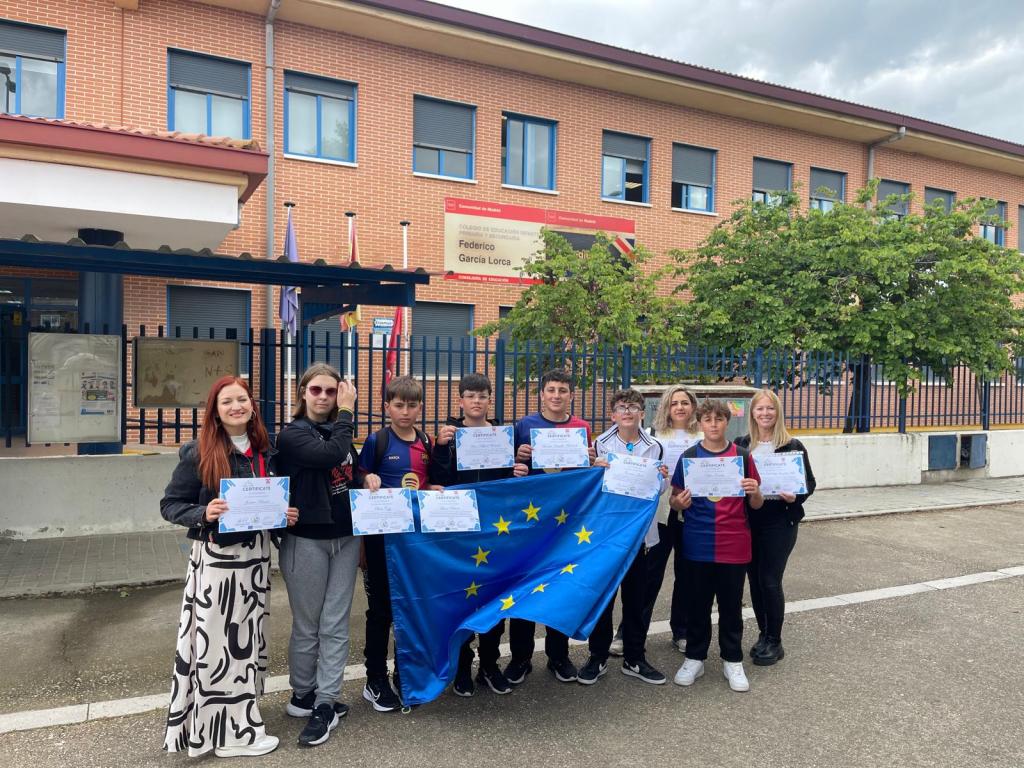
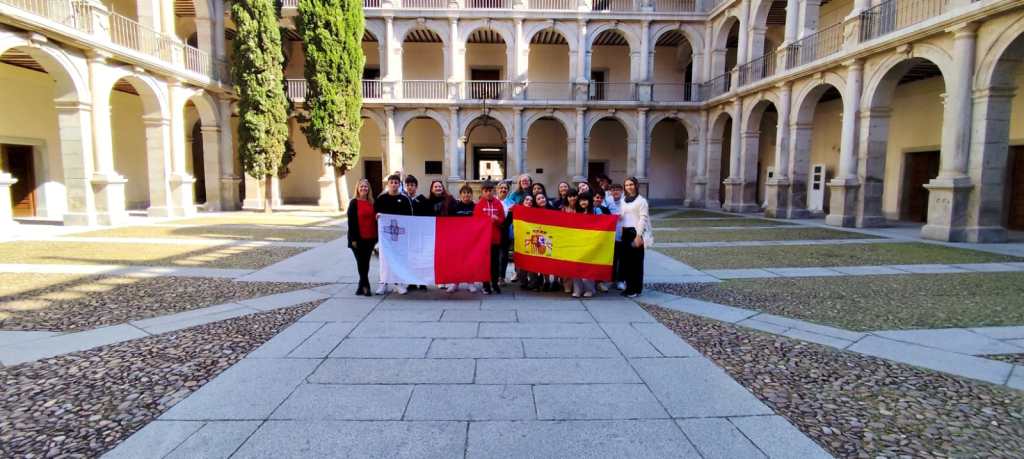
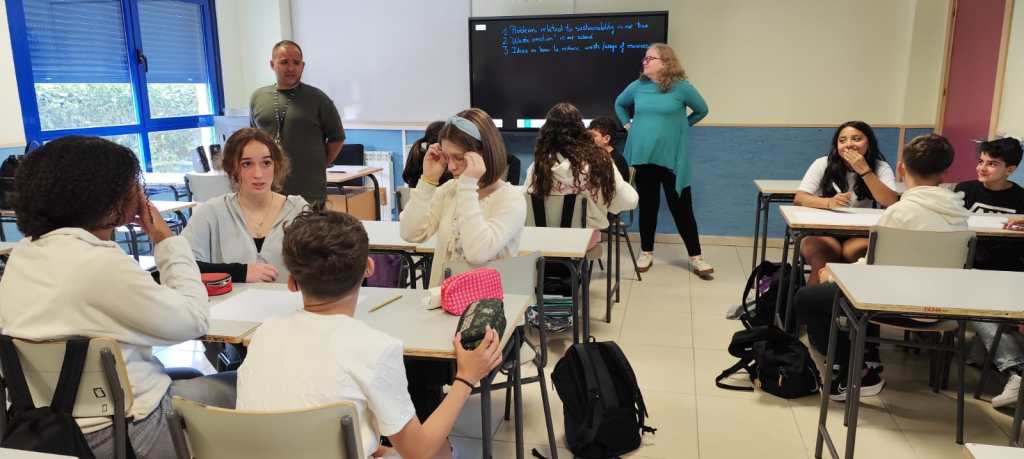
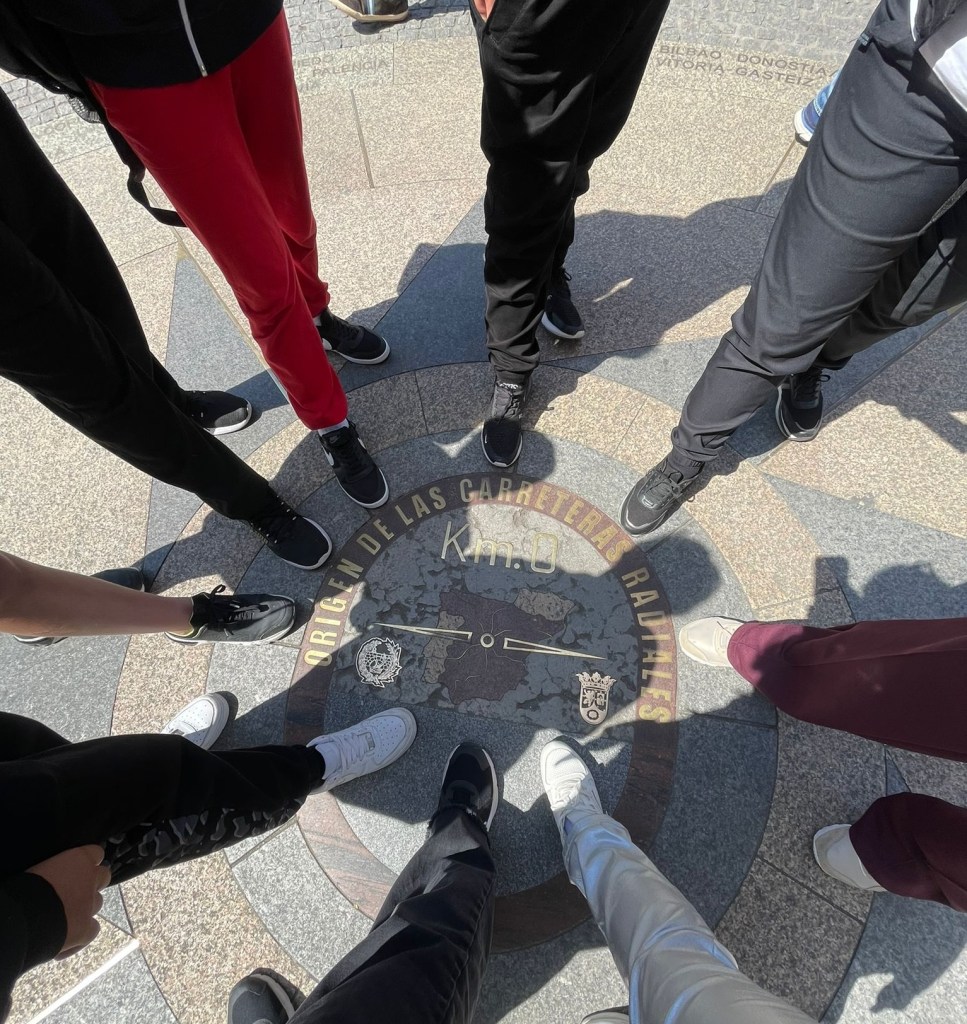
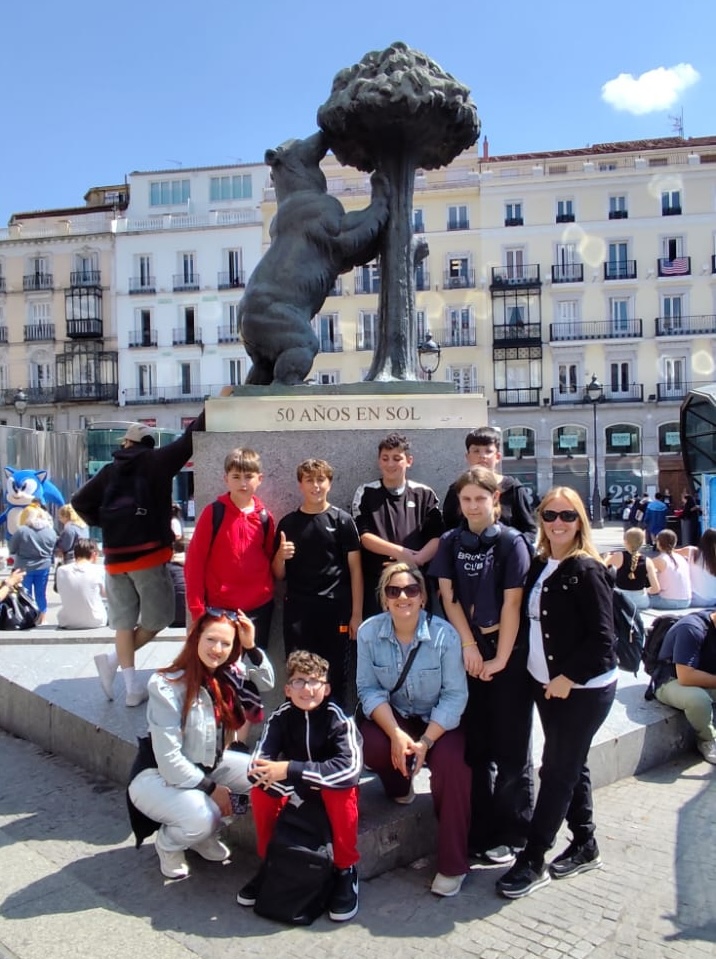
A group of six 12-year-old students from St. Nicholas College Rabat Middle School, accompanied by their class teacher, recently took part in the Erasmus+ Student Mobility and Job Shadowing programme with a visit to C.E.I.P.S.O. Federico García Lorca, located in the small town of Camarma de Esteruelas, near Madrid, Spain. The visit took place from 12th to 16th May 2025 and included Spanish FL Teacher Ms. Jessica Muscat, LSE Ms. Melanie Debrincat, and Spanish FL Teacher and First Aider Ms. Guadalupe Melo. They were joined by six Year 8 students: Liam Muscat, Myles Cauchi, Connor Zarb, Ben Mifsud Bonnici, Oliwia Czyz, and Dorian Vassallo Manicolo. All Spanish FL students were invited to apply, and following an inclusive and transparent selection process, participants were chosen by lot.
Our host school, CEIPSO Federico García Lorca, is a unified Infant–Primary–Secondary educational centre. This visit marked a continuation of a growing partnership: St. Nicholas Primary School in Attard had visited the same school in March, and in April, a delegation of teachers and students from Camarma visited Malta.
The school serves students from early childhood (ages 0–6), through Primary (ages 6–12), and into Compulsory Secondary Education (ESO), which spans four years (ages 12–16). The campus includes two main buildings separating the Infant and Primary sections from the Secondary wing, as well as a school canteen offering freshly prepared meals daily.
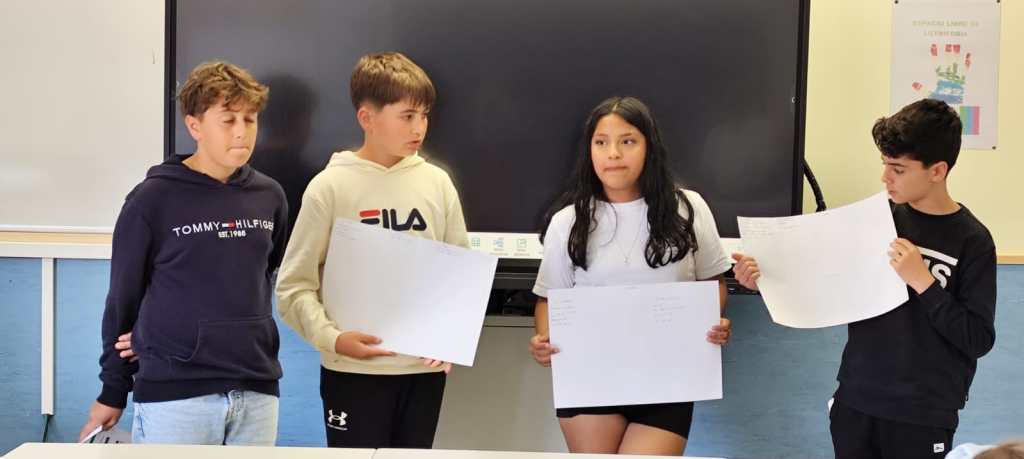
During our stay, our students were welcomed into Middle School classrooms and participated in joint activities with their Spanish peers—an enriching experience that fostered cultural exchange, collaboration, and mutual learning.
As part of the Erasmus+ programme, we engaged in a wide range of activities, including classroom observations, a sustainability workshop, an alternative sports day, and sessions with the school’s radio club. These experiences promoted teamwork, well-being, and inclusion in a dynamic and engaging environment.
This was a fully immersive experience, combining school life, cultural visits, and homestay accommodation. It was a truly positive and collaborative exchange that we highly recommend to other schools considering similar opportunities.
This journey not only helped us improve our language and communication skills, but also inspired us with new ideas to make our teaching in Malta more inclusive, sustainable, and engaging. We hope that some of these ideas will soon become a reality in our school community.
Finally, this experience broadened our understanding of the European dimension of Erasmus+ programmes. We witnessed how international cooperation and innovation can bring recognition and prestige to our school, while connecting us to a wider educational network in Europe.
This mobility was made possible thanks so St Nicholas College Accredition Grant, co-funded by the European Union.
The job shadowing programme was designed to expose all participants to the different cultures and educational systems of not merely, the host country, but also that of the other European countries, such as Lithuania, Belgium and Croatia. Thus, one of its first, immediate benefits was that all educators had the time to discuss their educational setting as well as the different strategies, and methods of teaching and learning, in their own country.
This was due to the various interactive sessions as well as the various experiences in schools around Ljubljana. The week started off with the welcome session where we all began to get to know each other, sharing our culture, and our backgrounds in education.
During the week, we also had the opportunity to attend Step by Step Polygon conference for children with conditions and mental health difficulties. This also discussed the challenges faced by children with Autism, as they grow older. It was extremely informative, with interactive group work, concrete practical examples and different case studies, used to discuss different strategies amongst educators from different European countries.
One of the schools we visited was a Forest School. Here, weather permitting, learning took place outdoors and focused on hands on, nature-based learning experiences. Children were encouraged to solve problems and take guided risks, during activities involving climbing, balancing and moving around safely. They developed creative play, using the everyday natural setting of the forest, with objects such as branches, leaves and stones.
The natural environment of the forest also provided the opportunity for rich sensory experiences. Naturally, children also learned in the classroom setting, where semi- structured activities, such as circle time and crafts activities also took place.
The second school we went to was in the city, but still exposed the children to a lot of outdoor learning. The setting was more structured than the Forest School. Children were encouraged to learn independently and choose to change activities cooperatively. During free-play the teacher did not really intervene and the children could either choose to continue playing with the same toys, or together, decide to clean up and change activity. Children had a longer day at school because parents could choose to leave them at school, until 5.00pm. Children were also provided with breakfast, snacks and lunch. They ate very healthy food, including soups, fish and vegetables. We also assisted the teachers in taking the children for an outing to a theater. Children put on raincoats, and we walked in the rain and caught the public transport to the venue. Kindergarten is not free, and parents need to pay.
During the course of the week, we were also asked to give a presentation of good practice, in teaching and learning, in our field. We choose storytelling, since educators often use the interactive whiteboard, rather than a physical book. Our objectives were language acquisition including new vocabulary, listening skills, topic maintenance, attention and sitting tolerance, imagination, creativity and role-play and reasoning skills. While presenting the strategies to the other educators, we suggested the following methods for engaging students.
Big books
Interactive boards to help children visualize the story
Puppets
Dress up materials
Props
Using real objects used in the story
Movement and sounds
CONCLUSION
To conclude, we found that, in Slovenia, children were encouraged to be more independent and allowed to communicate more freely. Other differences included more exploration and use of outdoor environments and more structured risk taking. Children were comfortable and confident enough to interact with us, even though they couldn’t communicate with us in English. They were very well-behaved, despite the increased independence; There were no interactive whiteboards in the classrooms and movement was a big part of their day and not limited to break time.
OTHER FINDINGS
Neuro-divergent children did not have the individualized help and support that we find in Malta. We observed less children with specific needs or learning difficulties in the classrooms. In the schools we went to, children were not formally assessed, and classroom educators were assigned and worked accordingly depending on the needs of the children. We also observed that children with more severe needs are grouped together in one class and educators work together as a team to take care of their learning.
Click on the following link to download a presentation of our activities:
On the 2nd of July St Nicholas College organised a Multiplier Event: Sharing of Good Practice stemming from our Erasmus+ Accreditation Projects. The event, which was held at St Nicholas College Rabat Middle School, showcased the work of educators, students, and members of the Senior Leadership Teams within our schools. Educators from across all the schools in St Nicholas College, as well as Heads of College Networks from across eleven Colleges and Education Officers were invited to attend.
After a brief introduction by Ms Josephine Mifsud, former Head of College Network and Ms Flavia Grima, the new Head of College Network, the floor was given to the educators who had attended different kinds of mobilities: Courses and Training, Job Shadowing and Pupil Mobilities. Educators prepared presentations and videos and described their mobilities in detail: how they were approached by the Head of College Network, the type of activity they attended, how it effected their professional development, and how everything was then tied up to the College’s main targets. Although the students could not participate in the event, their presence was still felt as educators who participated in pupil mobilities conducted interviews with the students who attended the mobilities; thus bringing their perspective to the proceedings as well.
This activity and the mobilities were made possible thanks to St Nicholas College Accreditation Grant, co-funded by the European Union.












 St.Nicholas College Malta